Cricket in Sri Lanka, Nation’s Common Language
Cricket in Sri Lanka is far more than a sport. It is woven into the country’s history, politics and national identity. From colonial-era school grounds to village streets and packed stadiums, cricket has become a unifying cultural force which helped bring moments of joy and collective pride during some of the island’s most difficult decades.
Few writers have explored this relationship more deeply than author and broadcaster Nicholas Brookes, whose acclaimed book An Island’s Eleven examines the story of Sri Lankan cricket against the backdrop of war, colonialism, class and national identity. Drawing from years spent living in Sri Lanka, teaching at St Thomas’ College and travelling extensively across the island, Brookes approaches cricket not simply as a game, but as a lens through which to understand Sri Lankan society itself.
From Elite Schools to Every Village
For much of its early history, cricket in Sri Lanka remained a game of the Colombo elite. It was played largely through anglicised Christian schools such as Royal and St Thomas’, institutions that helped carry the sport from colonist to colonised.
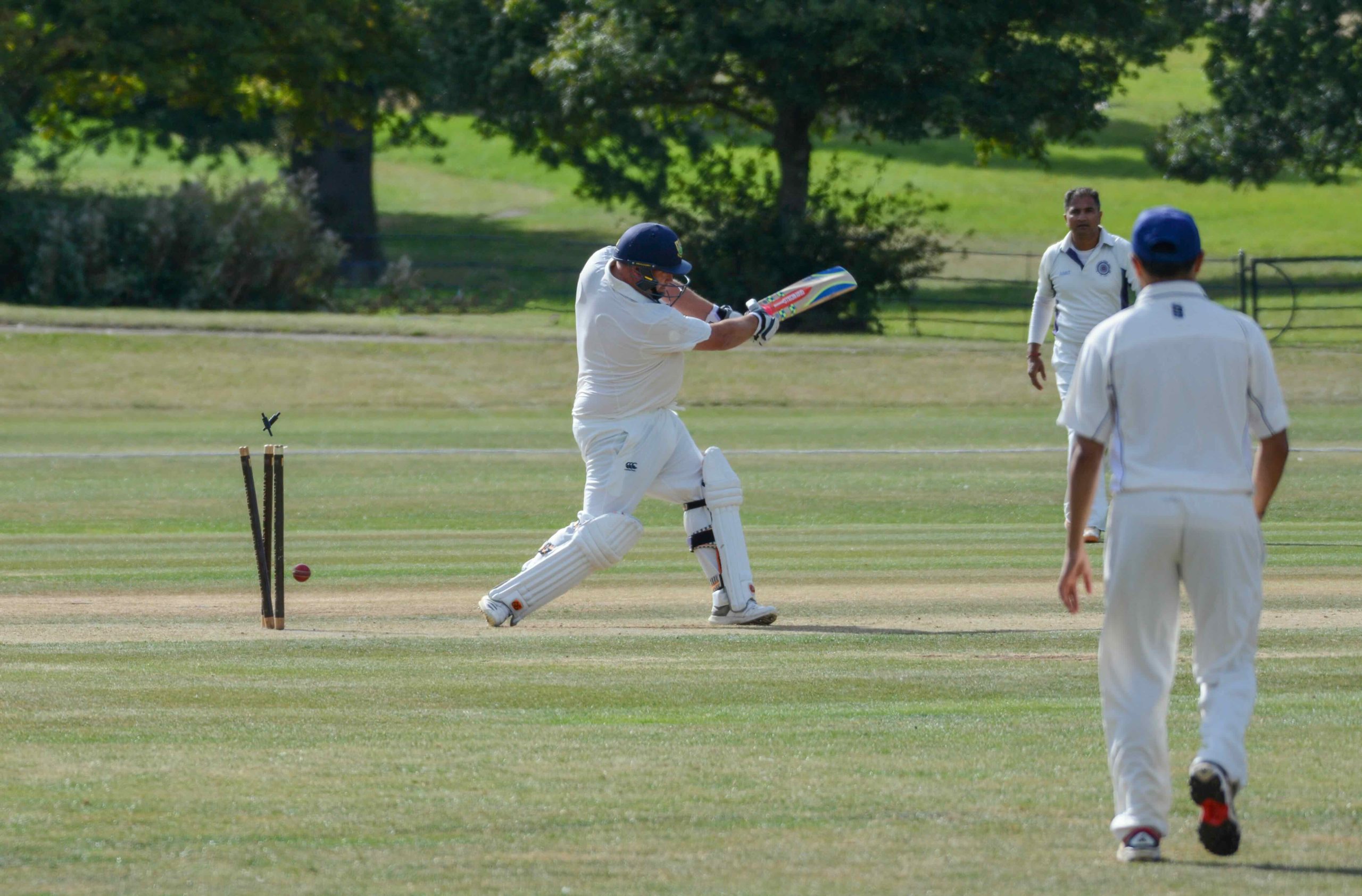
But the game’s transformation was slow. Sri Lanka gained Test status in the early 1980s, yet cricket was still not the everyday national obsession it would later become. Brookes notes that, in earlier decades, village life often revolved around volleyball or a local bat-and-ball game called Ella. That all changed dramatically in the 1990s.
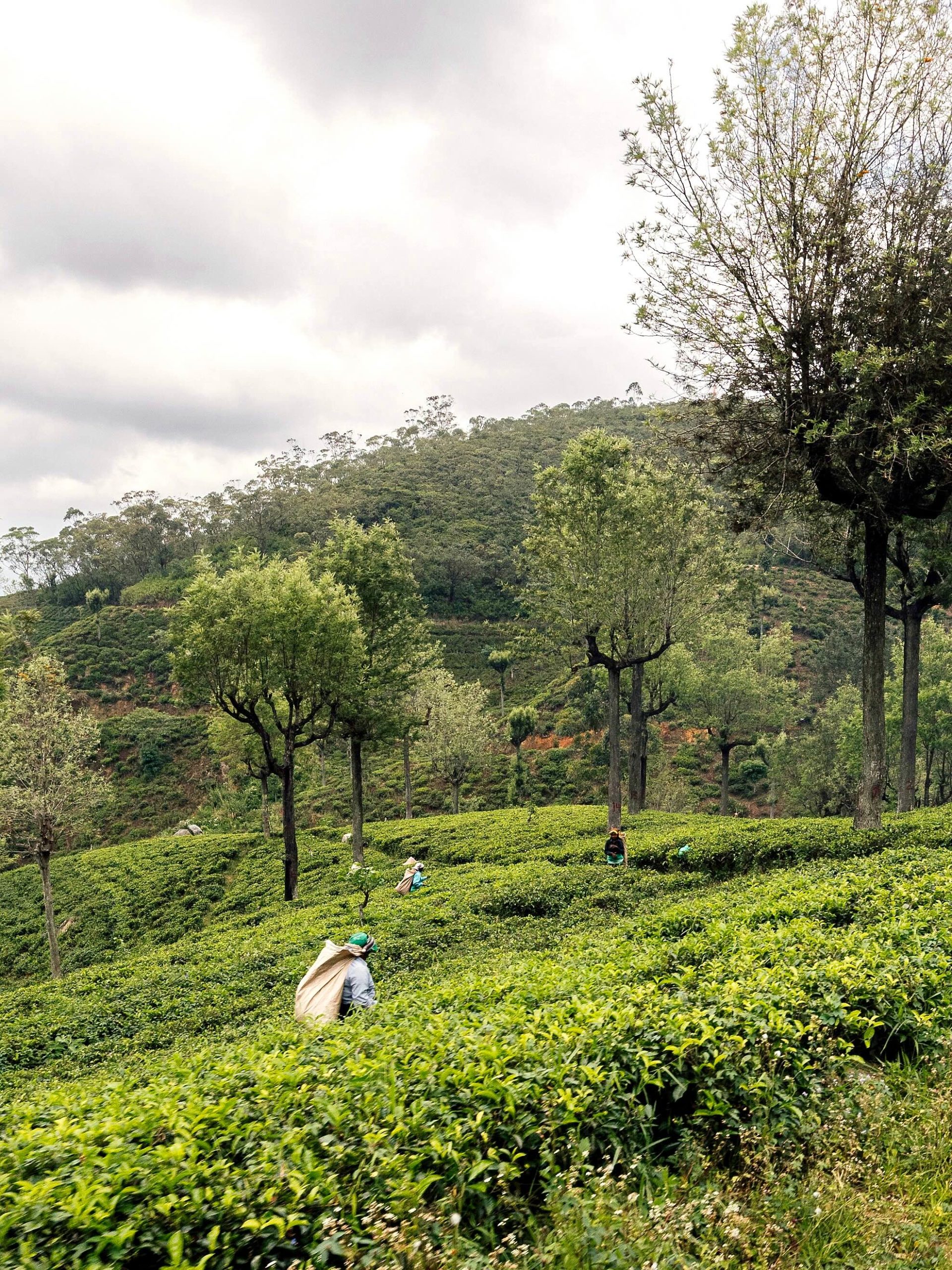
As Sri Lanka began to compete internationally, cricket became a source of pride for a country more often known back then for tea and conflict. When the national team won the 1996 World Cup, the game moved from elite playing fields onto streets, beaches, villages and town squares.
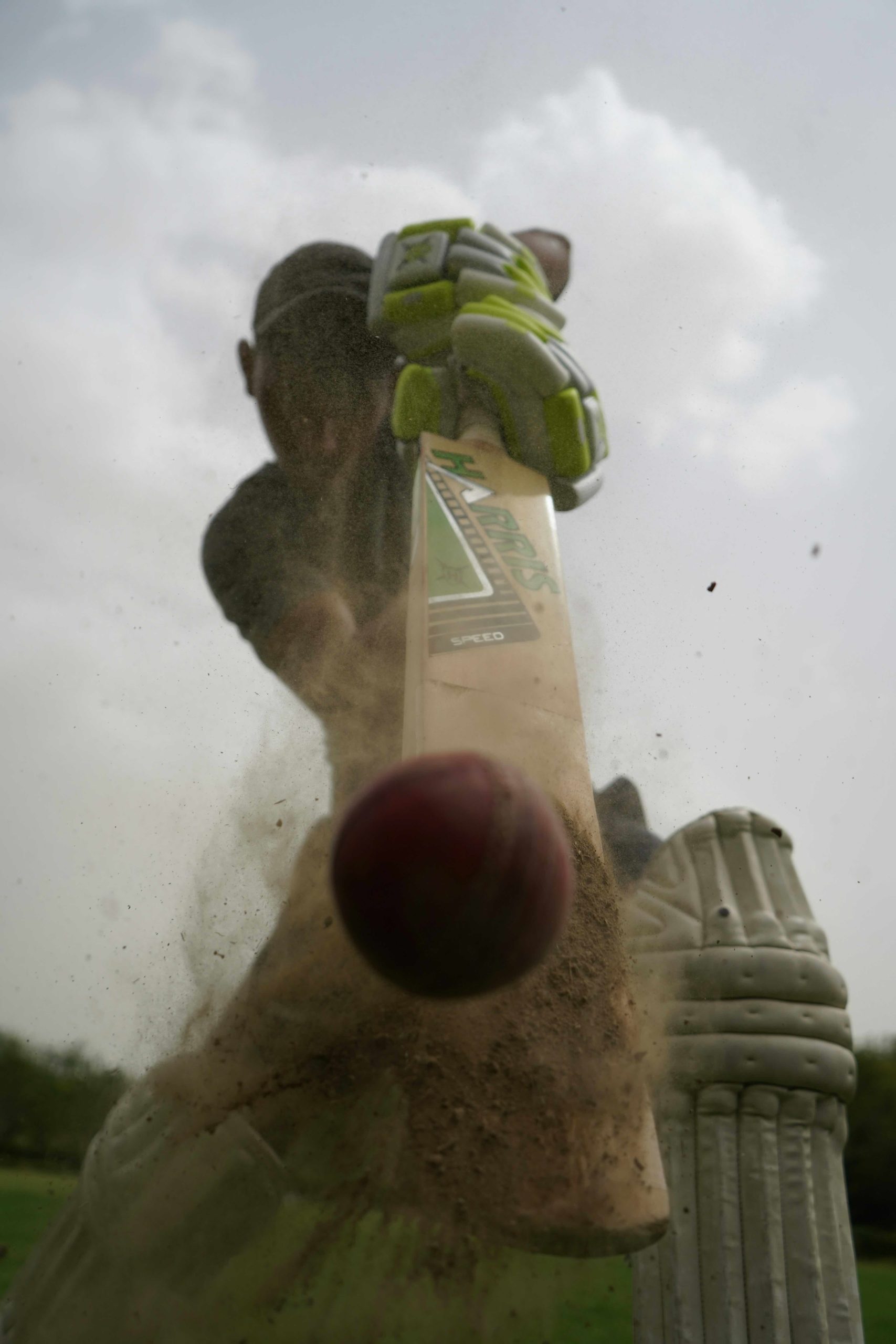
Today, Brookes describes Sri Lanka as perhaps the most cricket-loving country he has visited. Softball cricket, played with tennis balls and homemade bats, removed the barriers of expensive kit and the game became accessible to everyone.
Cricket During War
The rise of Sri Lankan cricket took place against a painful national backdrop. During the 1980s and 1990s, Sri Lanka was living through civil war, political unrest and violence. Brookes describes this period as one in which ordinary life was often deeply difficult. Against that reality of conflict, cricket offered escapism in everyday life.
For a few hours, people could turn on the radio or television and watch Sri Lanka perform on the world stage. Even when the team lost, there was pride in simply being there.
The 1996 World Cup victory became much more than a sporting triumph; it was an underdog story in a country desperate for moments of collective joy. The Sri Lankan team had limited money, little infrastructure and a largely amateur set-up and players still had full time jobs. Those who lived outside Colombo stayed at captain Arjuna Ranatunga’s family home, sharing rooms and eating meals prepared by his parents. This was a sport played by passionate people where everybody pulled together and played their part for success.
Under Ranatunga’s leadership and with the arrival of coach Dav Whatmore, the team became more disciplined, more united and more ambitious.
A Symbol of Unity
One of the most powerful parts of Brookes’ account is the role of Muttiah Muralitharan (Murali). A Tamil cricketer, Murali became one of Sri Lanka’s great national heroes within a team that was largely Sinhalese in character. At the height of the civil war, his presence carried a significance far beyond sport.
Brookes recalls Murali reflecting on Ranatunga’s decision to stand by him when others questioned whether he should be included in the 1996 World Cup squad. For Murali, the message was clear: they were Sri Lankans, standing together. In that sense, cricket became a subtle but important symbol of reconciliation. This decision was clear leadership that showed what could happen when talent, loyalty and shared purpose mattered more than division.
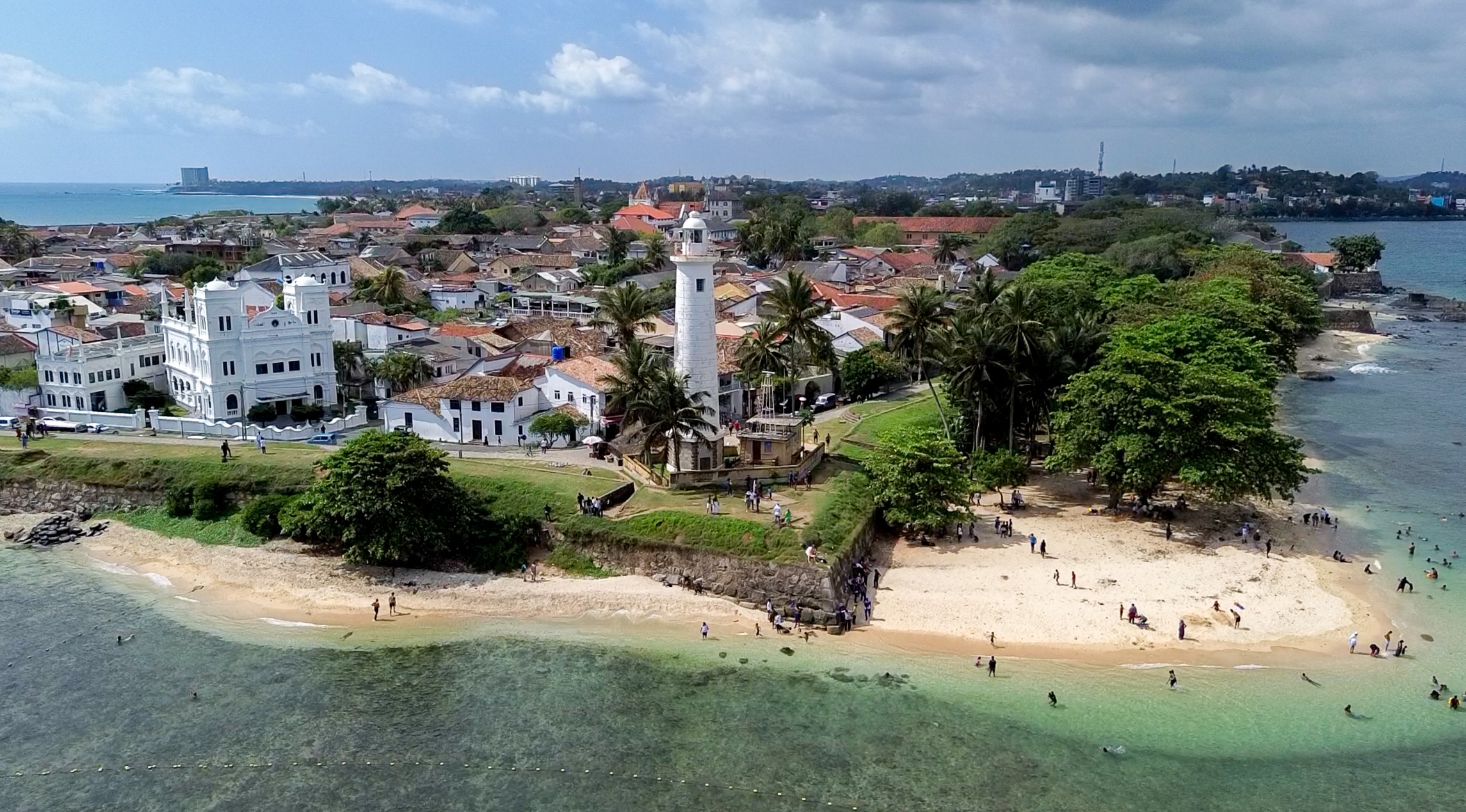
Galle Stadium, Cricket’s Most Beautiful Theatre
No discussion of cricket in Sri Lanka is complete without Galle International Stadium, widely considered one of the most scenic cricket grounds in the world and sits just 30 minutes from the surf breaks of Weligama.
Set dramatically beside the UNESCO-listed Galle Fort and framed by the Indian Ocean, the stadium began life as a racecourse in 1876 before evolving into a cricket ground in the late nineteenth century. It officially became a cricket stadium in 1927 and hosted its first Test match in June 1998, when Sri Lanka defeated New Zealand by an innings and 16 runs.
For Brookes, Galle represents everything that makes Sri Lankan cricket special. Spectators spill between the fort walls and the ground itself. Test matches unfold against crashing waves, wandering sea breezes and daily coastal life and at five o’clock, crowds leave the stadium and walk directly to the sea for sunset swims.
The ground also carries deeper emotional significance since it was devastated by the 2004 Indian Ocean tsunami, which submerged the stadium and much of the surrounding coastline. The venue was later rebuilt and reopened in 2007, becoming a symbol of resilience and recovery.
Today, Galle remains central to Sri Lanka’s cricket identity and to the country’s growing cricket tourism scene, drawing international supporters, particularly England’s famously travelling “Barmy Army” to the island each year.
Sri Lankan Cricket Fans
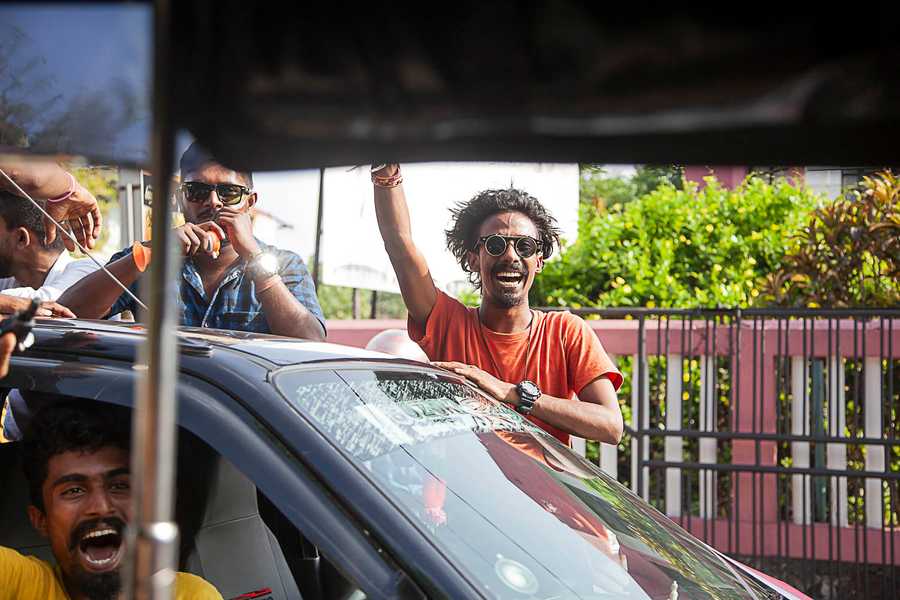
Cricket in Sri Lanka is not simply about runs, wickets and scorecards, it is an expression of broader Sri Lankan life. The sport reflects the country’s contradictions: colonial inheritance and local reinvention, hierarchy and village informality, discipline and eccentricity, pain and humour.
It is also deeply social. In villages, cricket is not only played by young men as Brookes remembers whole communities gathering in the late afternoon, with aunties standing at slip and everyone joining in. At international grounds, the atmosphere is passionate but rarely aggressive. Music, painted faces, flags, food and conversation all become part of the occasion.
Cricket in Sri Lanka is a wonderful spectacle and community ritual.
Women’s Cricket and a Changing Society
Brookes also sees women’s cricket as part of Sri Lanka’s changing social fabric. He notes a significant shift in attitudes over recent years, with the women’s team gaining greater public support and visibility. Their Asia Cup victory against India became a major moment of national pride and helped challenge outdated ideas that cricket was only a male sport.
The rise of women’s cricket matters beyond the boundary rope. It contributes to broader conversations around gender, visibility and opportunity in Sri Lankan society.
More Than a Game
Sri Lankan cricket is often described as a national passion, but Brookes’ view goes deeper. Cricket helped give people joy during war and it offered international recognition in a different way when the country was too often defined by conflict. Heroes existed across ethnic and religious lines and to this day it still brings people together in streets, schools, cafés, stadiums and villages.
In Sri Lanka, cricket is watched and lived.
And perhaps that is why the game has endured so powerfully: because it gives the island a shared language of pride, play, resilience and belonging.
Nicholas Brookes explores these themes in far greater depth in An Island’s Eleven, a book widely praised for combining cricket writing with cultural history, political insight and immersive storytelling, ultimately presenting Sri Lanka through the game that came to define it.