Sri Lankan Wildlife and Landscape
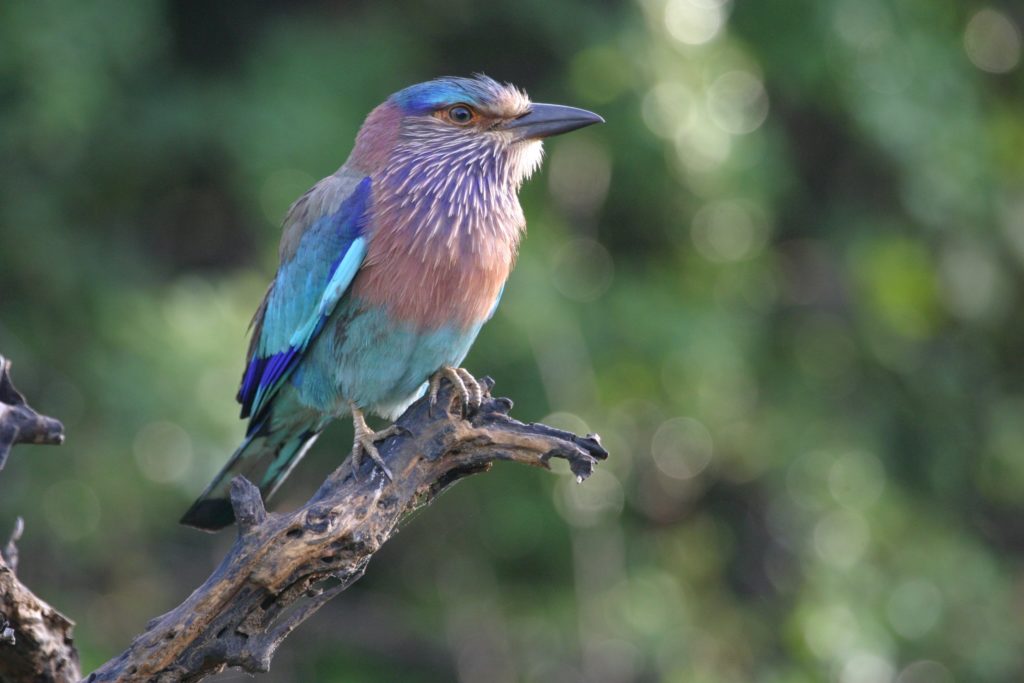

Sri Lanka is often described as one of the best all round wildlife destinations in the world, and the reasons run far deeper than its beauty alone. Its landscapes, forests, mountains, wetlands and coastline tell a story shaped over millions of years. Its wildlife reflects an extraordinary mix of ancient plant lineages, immigrant species, endemic birds, localised frogs and fish, wide-ranging predators, and marine giants off its shores.
Naturalist and author Gehan de Silva Wijeyeratne, whose work has helped bring Sri Lanka’s wildlife to international attention, describes the island as a place where biodiversity, archaeology, history and landscape all combine. For him, Sri Lanka’s natural richness is not a marketing claim, it is a fact written into the island’s geological past and visible in the remarkable diversity of life found here today.
A childhood shaped by the jungle
Gehan traces his love of wildlife back to his earliest years and to his uncle, Dodwell de Silva, who took him into the jungles of Yala from the age of three. Those early journeys revealed things to him then that have since changed within a single lifetime. As Gehan recalls, there was once more forest on the journey south; you did not have to drive so far before reaching wild country.
But what stayed with him were the sensory experiences of the wild: the sounds of birds, the smell of the jungle, the textures of drought and renewal, and the sight of lush growth returning with the rains. In those moments, Sri Lanka’s wilderness became a living force.
How Sri Lanka became so rich in wildlife
Sri Lanka’s biodiversity has two main sources: ancient origins and immigration.
Gehan takes the story back around 120 million years, to a southern supercontinent that joined Africa, Madagascar, India, Sri Lanka, the Seychelles and Antarctica. As that landmass began to break apart, the India–Sri Lanka plate drifted north. Around 50 to 60 million years ago, it collided with Eurasia, an event tied to the uplift of the Himalayas and major biological exchange.
From that point, plants and animals from Asia began moving into Sri Lanka. But some life here is older still.
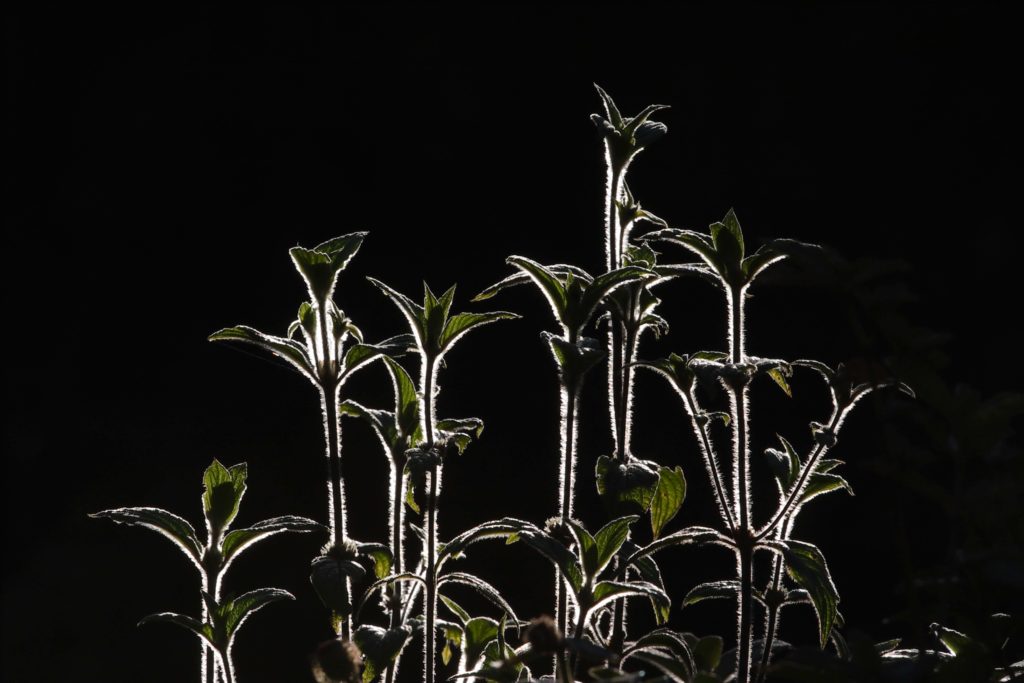
According to Gehan, Sri Lanka retains traces of Gondwanan plant stock, ancient lineages that survived from deep geological time. He points to the giant dipterocarp trees that characterize Sri Lanka’s wet zone forests and suggests they may be connected to movements on the Indian plate before or during its contact with Asia. Today, forests in places such as Sinharaja show affinities with humid forests in southern Thailand, Malaysia and Borneo.
Sri Lanka is also unusual because its southwestern forests are what Gehan calls ancient perhumid rainforest. These are forests requiring more than 100 millimetres of rainfall each month and no long drying period. India, he says, once had these forests more widely, but as conditions dried around 20 million years ago, they disappeared there. Sri Lanka’s wet zone became a refuge.
That matters because some species that arrived long ago survived here even after they were lost in India, while related sister species persisted farther east in Southeast Asia. In that sense, Sri Lanka became a biological refuge as climates shifted.
Land bridges, extinctions and arrivals
Sri Lanka’s wildlife history is also tied to repeated connections with India. During ice ages, when large amounts of water were locked up in massive ice sheets, sea levels fell and a broad land bridge sometimes linked the two countries. This connection may at times have been as wide as 200 kilometres.
Those land bridges allowed animals to move in and out.
Some mammals entered Sri Lanka but did not remain. Gehan points to evidence that tigers reached the island, since fossils have been found, but they did not establish lasting populations. Perhaps they arrived in too few numbers, or perhaps the prey base was not sufficient.
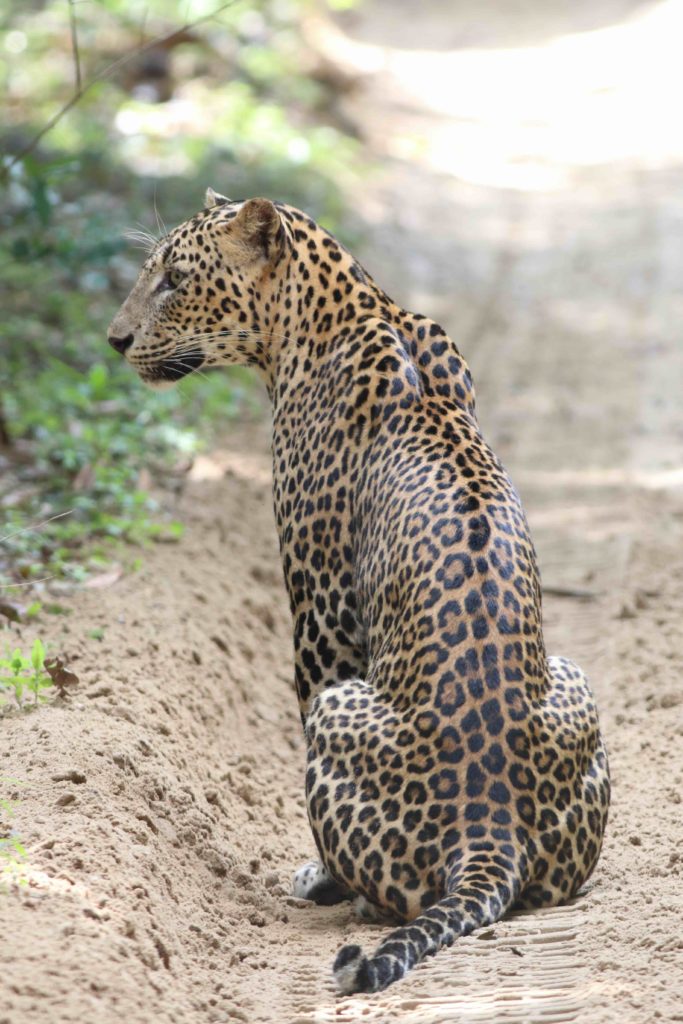
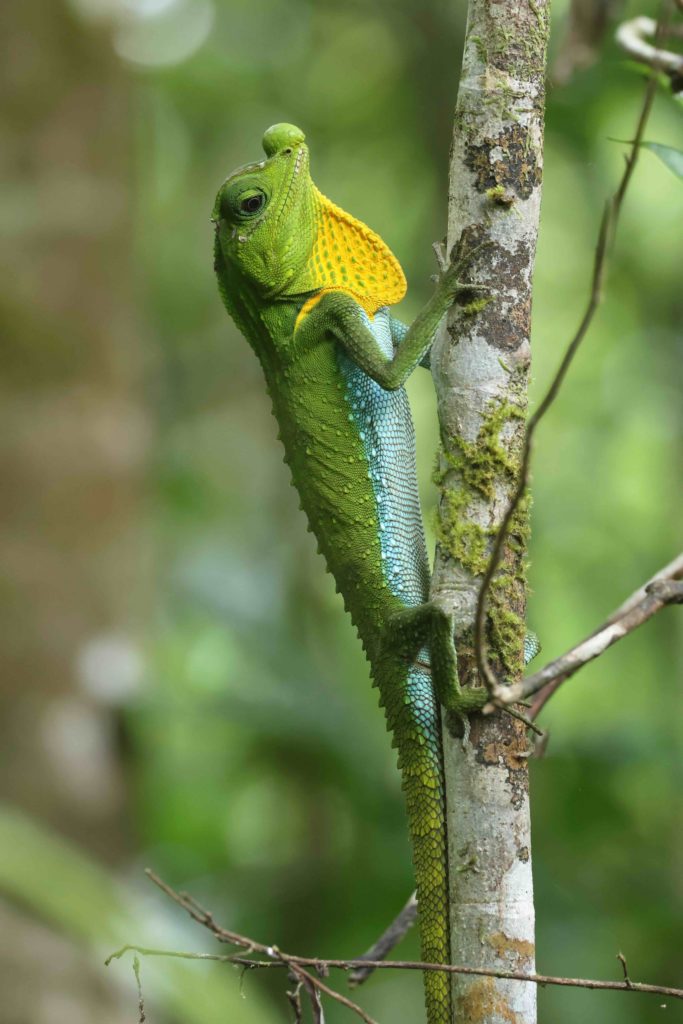
The Sri Lankan leopard, by contrast, is a more recent arrival. Gehan explains that the leopard originated in Africa, spread into Asia, moved east into India, and then crossed into Sri Lanka, where it became the island’s iconic top predator. Its success is tied to adaptability. The leopard can live across the dry zone, the wet zone and the mountains because its prey — including animals such as wild pig, spotted deer, chevrotains and pangolins is also adaptable. Other species are far more restricted. Some frogs and fish, he says, may be confined to a single forest valley or one mountaintop, reflecting very narrow ecological requirements.
The result is a complex patchwork: generalists spread widely, specialists remain localized, and endemism flourishes.
Why Sri Lanka stands out
Gehan often speaks about how disproportionately rich Sri Lanka is in biodiversity. He gives the example of butterflies: Sri Lanka has around 243 species, while Britain has around 50. For dragonflies and damselflies, Sri Lanka has around 120 species, about half of them endemic, while the regularly seen British total is far lower.
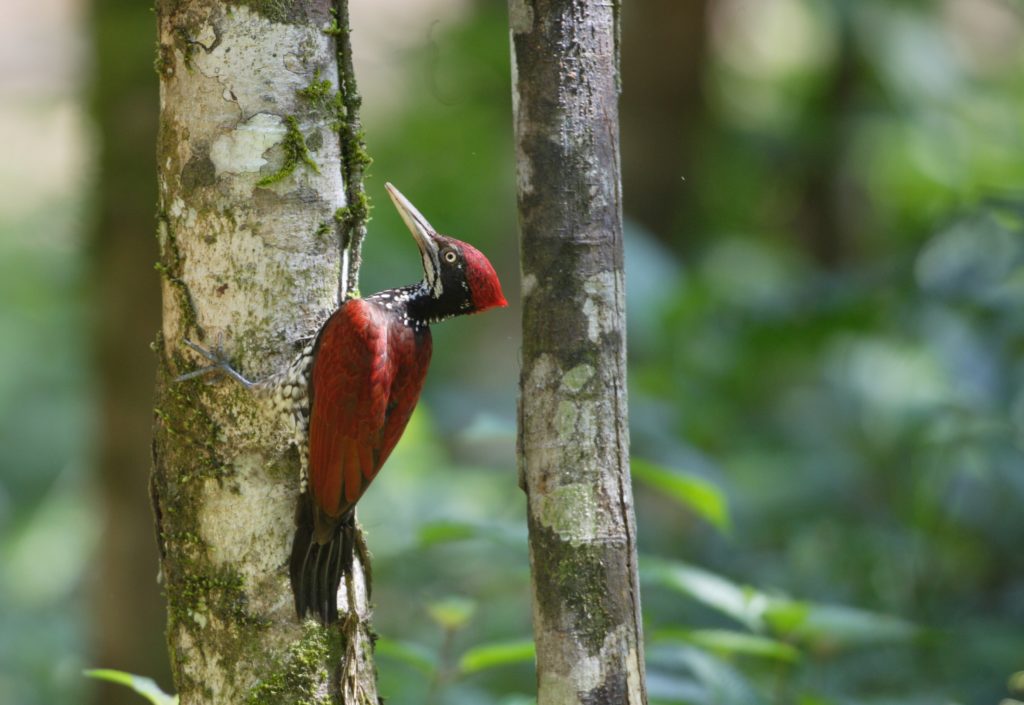
Birds offer perhaps the most striking comparison. Borneo is around 11 times larger than Sri Lanka and has about 54 endemic bird species. Sri Lanka has about 33 endemic bird species. By Gehan’s estimate, that means Sri Lanka is around seven times richer per unit area in endemic birds.
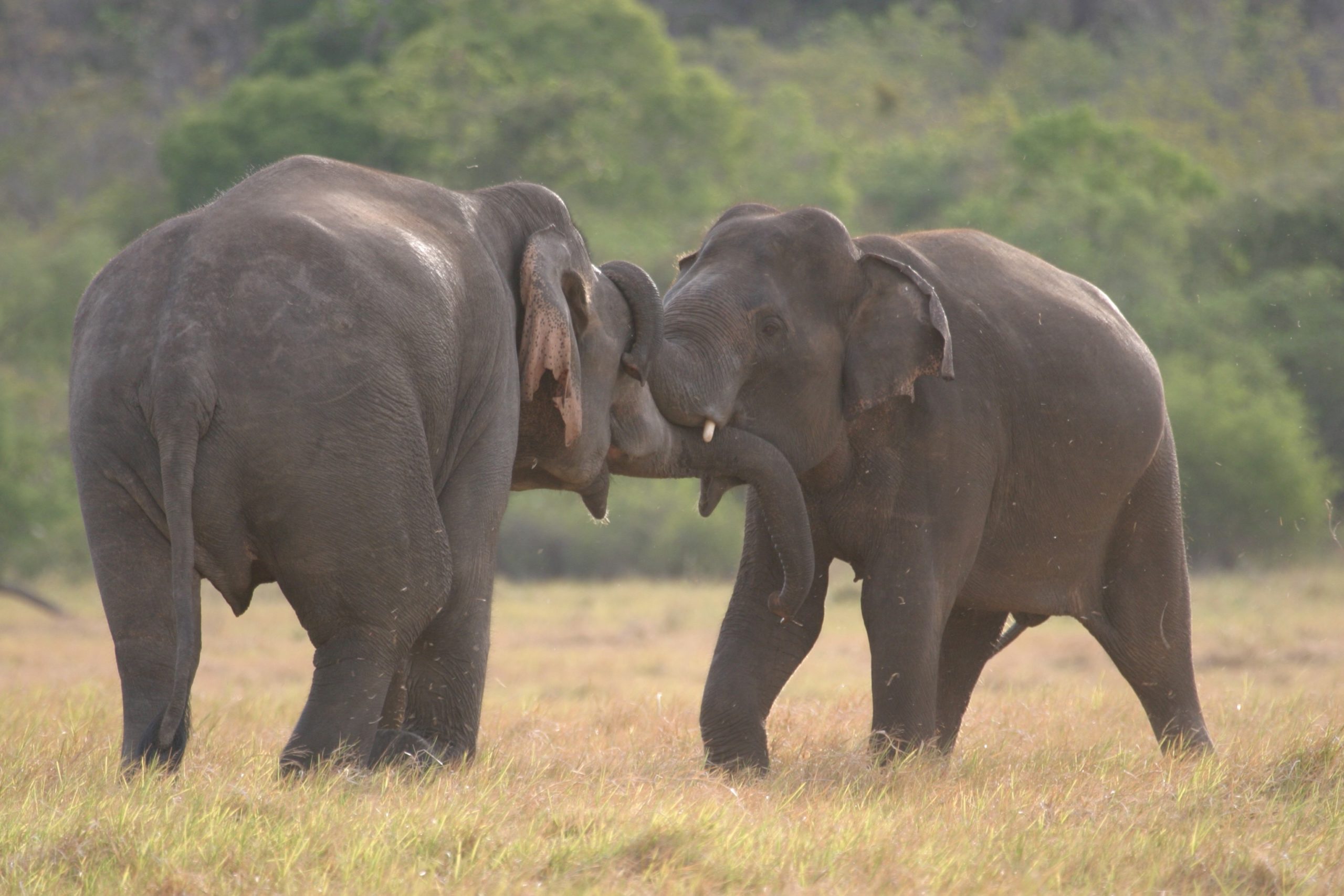
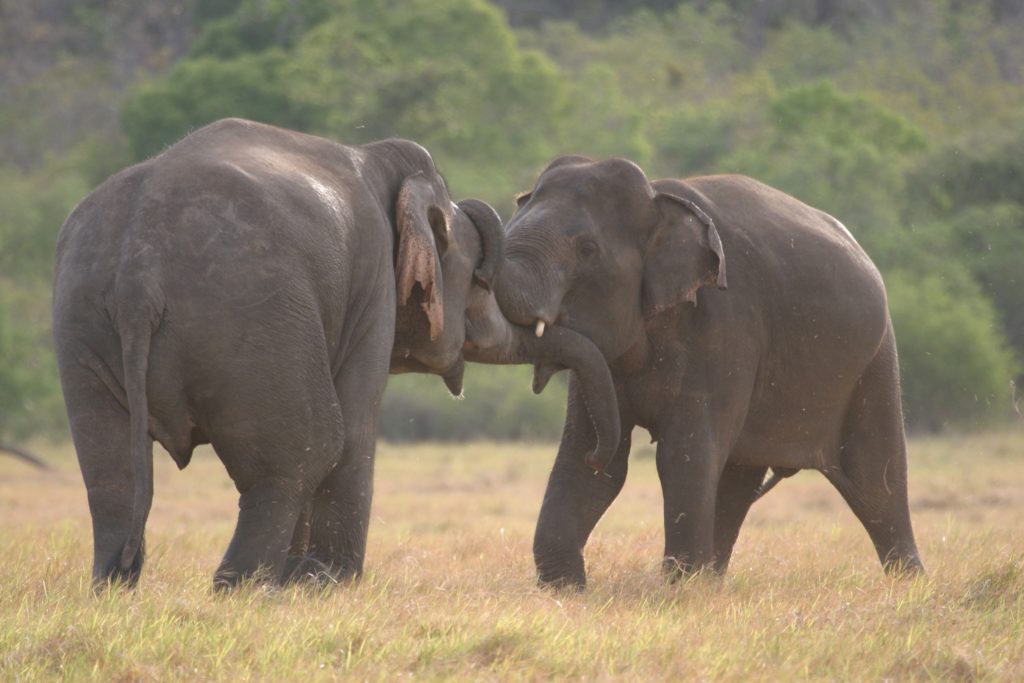
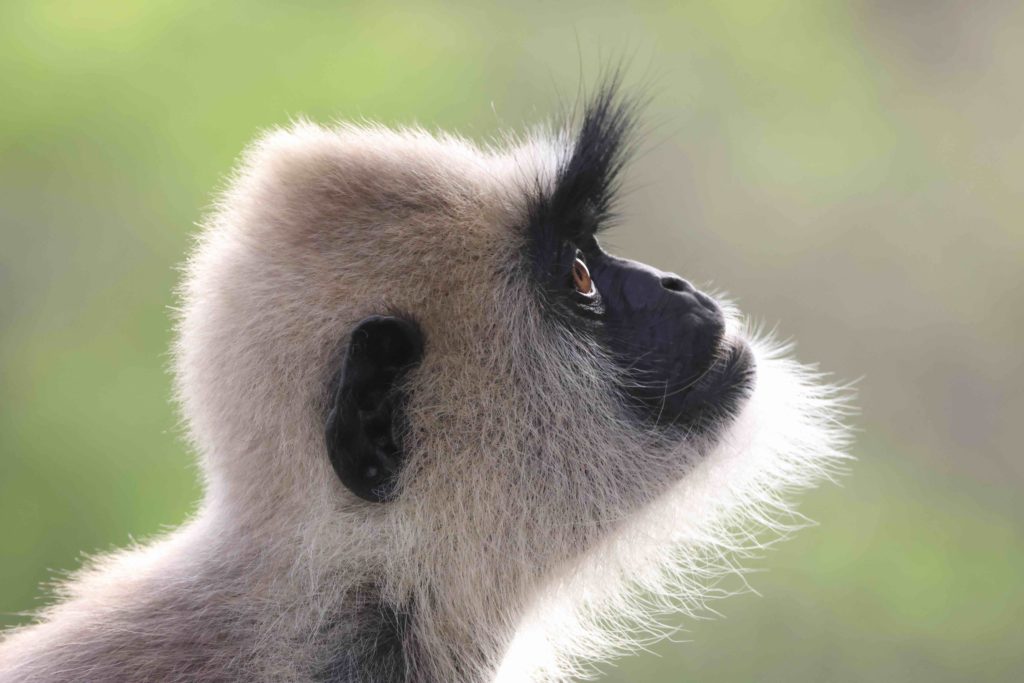
This is why the island can offer such a compact but varied wildlife experience. Sri Lanka is a place where visitors have an exceptional chance to encounter large mammals, marine mammals and endemic species within a relatively small area. From leopards and sloth bears to blue whales and sperm whales offshore, the range is extraordinary.
From cloud forest to rainforest
Sri Lanka’s landscapes are as varied as its wildlife. The island moves from cloud forest to perhumid lowland rainforest, from dry plains to wetlands, from mountain slopes to marine habitats offshore.
The changing rhythm of life, birdsong at dawn and nightjars at dusk and the silent passage of predators through darkness captures something essential about Sri Lanka’s wild places; the island’s heartbeat never stops, it only shifts.
Gehan’s work in documenting Sri Lanka’s wildlife
Gehan’s work has played a major role in helping people see and understand this richness. He has written more than 20 books and has long advocated for Sri Lankan wildlife tourism. His Photographic Guide to the Wildlife of Sri Lanka, published by John Beaufoy, covers 1,180 species across different taxonomic groups. He describes it as a project 25 years in the making.
The scale of the undertaking meant it became a collective effort because he wanted the book to reflect the breadth and depth of Sri Lankan expertise, especially in groups such as reptiles, amphibians, snails, spiders and insects. That collaborative spirit runs through his wider approach, he says that everything he knows has been learned from someone else.
He is also currently working on a series of mini guides — simple, inexpensive leaflets covering groups such as 100 birds of the wet zone, 100 birds of the dry zone, 100 dragonflies and 100 butterflies. The idea is practical, once people can put names to what they are seeing, they begin to engage more deeply with the natural world around them.
Wildlife tourism and the case for protection
For Gehan, wildlife tourism is not separate from conservation. It is one of the strongest arguments for protecting nature.
He is explicit: monetizing wildlife can be one of the best ways to preserve it. National parks and reserves, he argues, are not protected forever simply by being declared on paper. Their future depends on whether surrounding communities and industries see value in keeping them intact. Tourism creates livelihoods for safari drivers, guides, lodge staff and service providers that can be more stable than uncertain farming affected by too much rain or too little.
At the same time, tourism has to be managed well.
Yala’s popularity, especially for leopard sightings, shows both the opportunity and the challenge. The leopard’s charisma, beauty and tolerance of vehicles have made it a major draw, but Gehan notes that when 30 or 40 vehicles race to one sighting, the experience becomes chaotic and unpleasant for visitors. His argument is not that wildlife tourism should be reduced, but that it should be managed intelligently, drawing on visitor-management systems used successfully elsewhere in the world.
The spiritual force of the landscape
Sri Lanka’s landscapes are not only biologically rich but they are emotionally and spiritually powerful.
Gehan describes photographing in the cloud forests of Horton Plains, where early light catches water droplets hanging from lichen-draped trees. Mist moves through the forest, birds call from above and beyond, and every sense becomes alert. In those moments, being in the landscape is not just observational. It is immersive. It awakens something ancient in the human body: attentiveness, humility and connection.
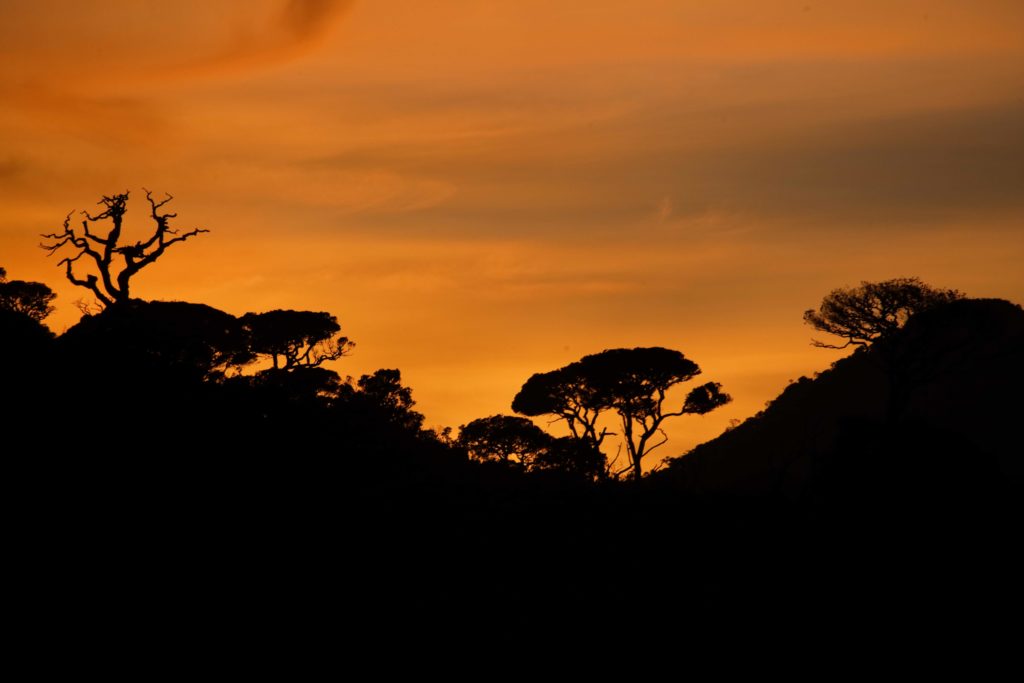
He makes the point that you do not have to travel far to feel this. Within a few hours of Colombo lies Sinharaja, where half the trees seen may be found nowhere else in the world. Even closer are places like Bodhinagala’s rainforest or Diyasaru Park in Colombo’s suburbs, where sunrise, mist, dragonflies, kingfishers and woodpeckers can still produce that same sense of wonder.
Sri Lanka’s story is still unfolding
Sri Lanka’s wildlife and landscape are the result of immense planetary forces: drifting continents, ancient rainforests, climatic change, migrations, extinctions, survival and adaptation. Yet they are also shaped by human choices happening now; how land is developed, how tourism is managed, how habitats are restored, and whether knowledge is shared widely enough to inspire care.
That is where Gehan de Silva Wijeyeratne’s work matters. Through books, photography, guiding, advocacy and education, he has helped articulate just how special Sri Lanka is. His message is clear: Sri Lanka’s biodiversity is extraordinary, its landscapes are deeply storied, and its wildlife is not only something to admire, but something to value, understand and protect.
Credit : All Images courtesy of Gehan de Silva Wijeyeratne
Listen to podcast interview with Gehan de Silva here Spotify here / Apple here
Stay in the Loop
For more conversations on Sri Lanka’s cultural icons, creative movements, and unsung heroines, be sure to subscribe to our newsletter or listen to more episodes of the podcast.
Subscribe to get updates on new stories, design insights, and cultural events.