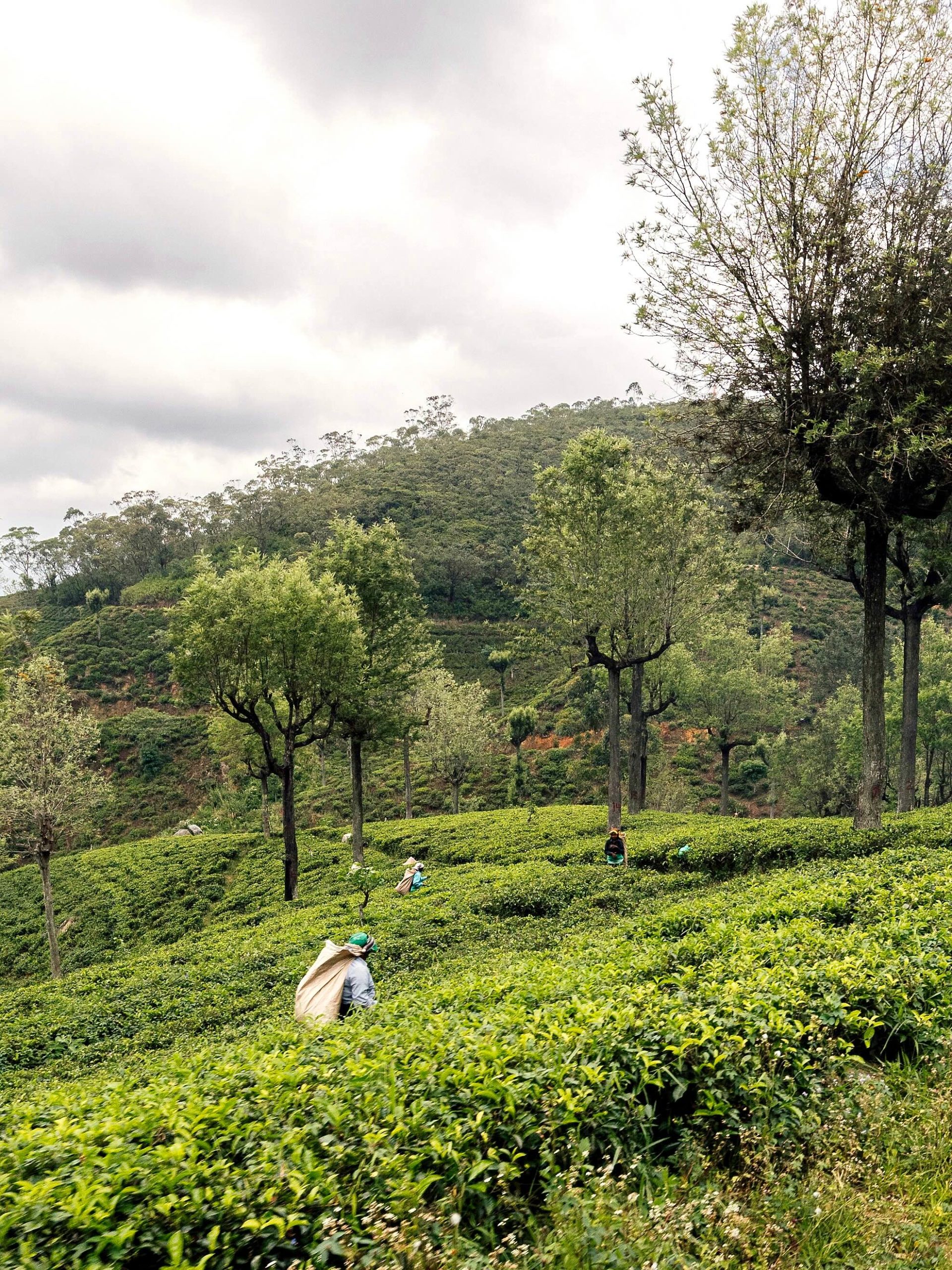
Tea Plantations in Sri Lanka
Guests often ask, which tea plantation is best to visit in Sri Lanka? Weligama on Sri Lanka’s south coast is famous for the ocean, offering beach, surf and slow coastal living. But just a short drive away is Handunugoda Tea Estate, a visit here is a wonderful experience that adds context and a deeper sense of Sri Lanka.
For guests looking for things to do in Weligama beyond the beach, this is one of the most rewarding and accessible excursions. One can focus on slow travel and enjoy a Tea Plantation tour without committing to a long journey inland, and find it in a setting that feels intimate rather than industrial
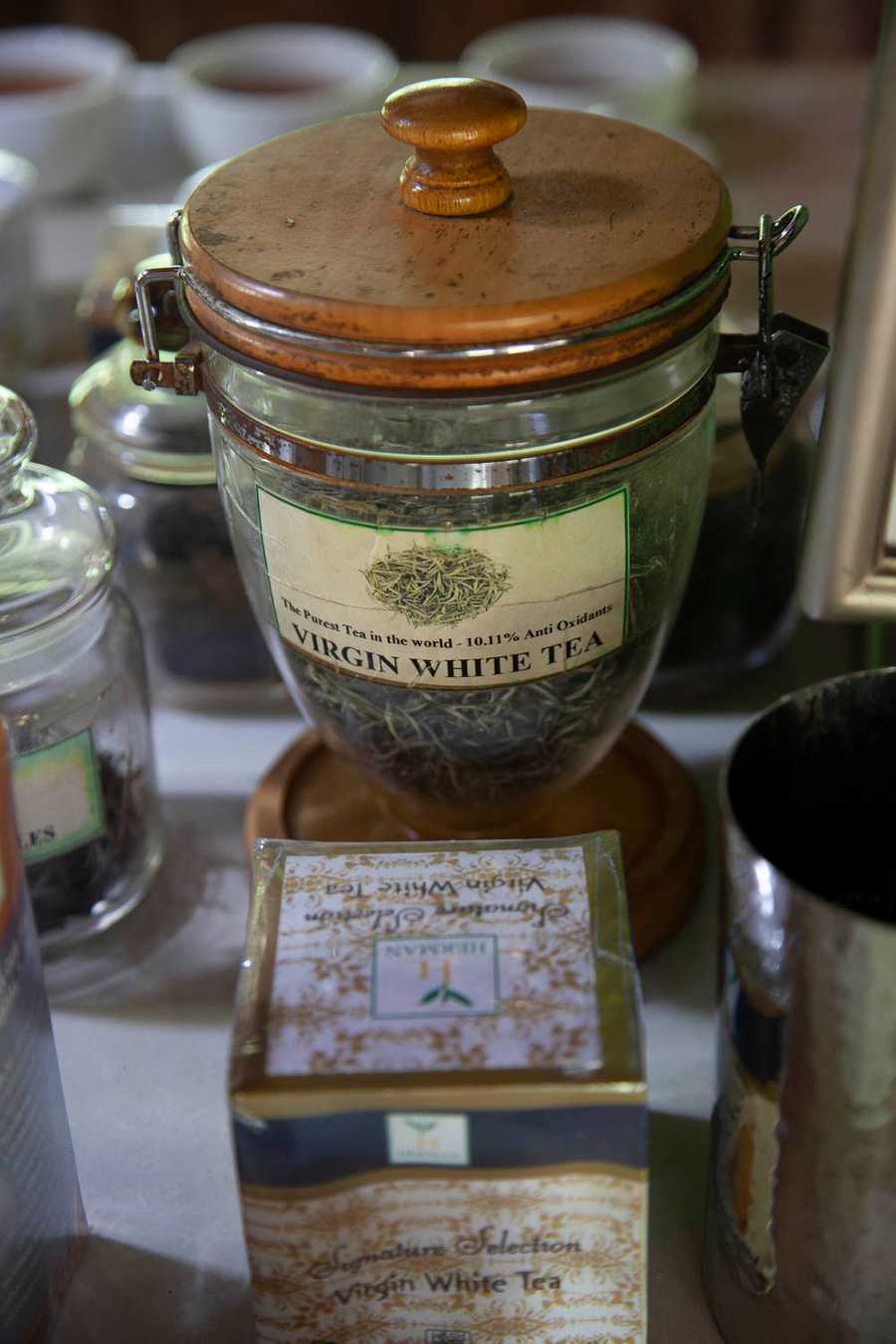
Handunugoda is best known for its Virgin White Tea, famed amongst connoisseurs for the mild taste and numerous health benefits. Regarded as one of the rarest teas produced in Sri Lanka, the White Tea from this plantation is produced in small quantities and sold in prestigious tea houses in luxury enclaves of Paris.
Is it worth visiting a tea plantation on the coast?
Most of Sri Lanka’s tea is grown in the central highlands, several hours away. Handunugoda is unusual because it sits at low elevation close to the coast, making it one of the very few tea estates in this part of the island. The warmer more humid climate means that low-grown teas are typically fuller-bodied, smoother and less sharp than high-grown teas. Tea from Handunugoda reflects this softer and less formal environment of the South.
The Story Behind the Estate
Handunugoda is a family-run plantation with a long and complicated history. The estate has been in the same family for generations, but like many plantation properties in Sri Lanka, it hasn’t followed a straightforward path. At one point in its history, significant parts of the estate were lost reportedly through a combination of financial mismanagement and gambling debts.
However, what exists today is the stunning result of a deliberate and ambitious rebuild focussing on quality and craftsmanship. Rather than returning to large-scale production, the family repositioned Handunugoda as a small, high quality estate, prioritising craftsmanship, rarity, and direct visitor experience. That shift to niche, premium producer is what defines it now, a story resonating with many guests where heritage has been reclaimed for modern commerce.
What is Virgin White Tea?
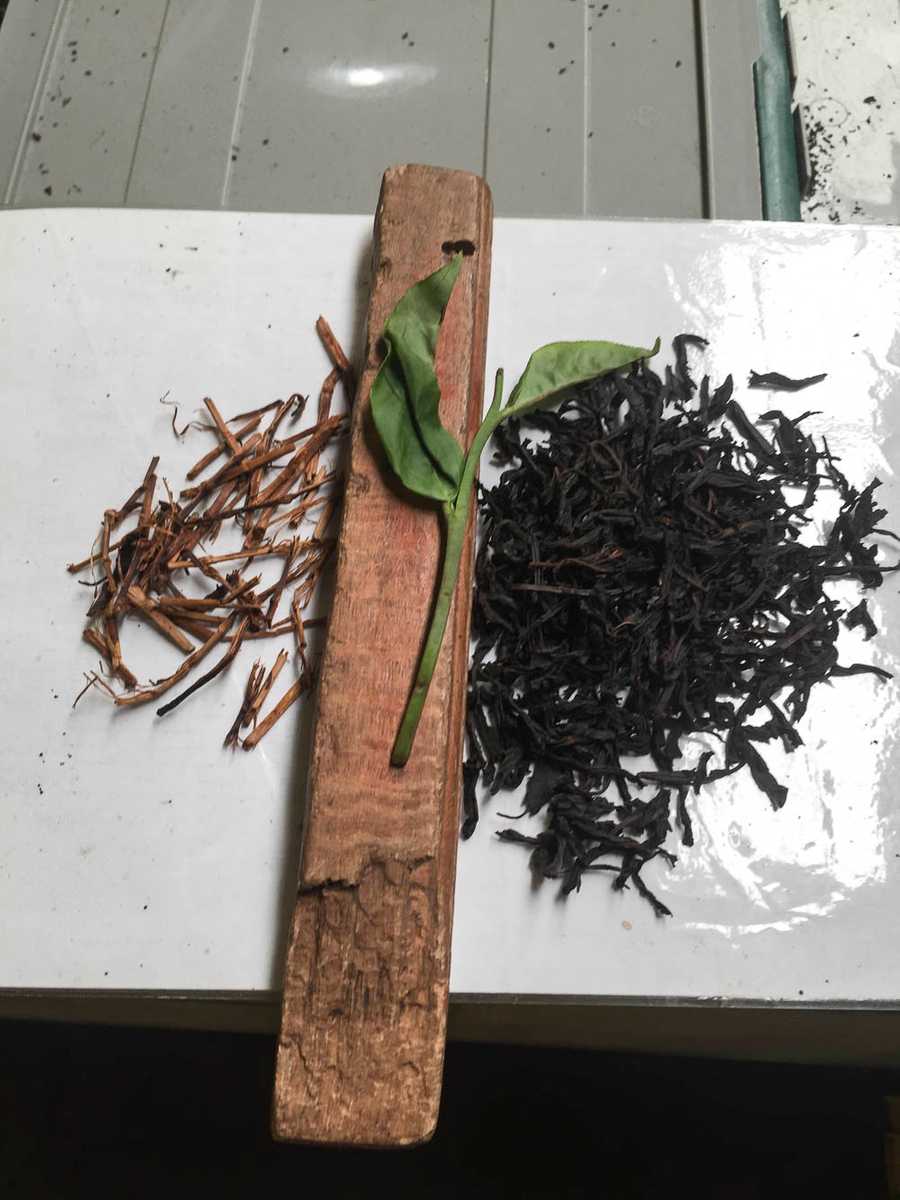
Handunugoda is best known for producing Virgin White Tea, one of the rarest teas in Sri Lanka. What sets it apart is both the method and the philosophy behind it. Harvested using a method inspired by ancient Chinese traditions, the buds are untouched by human hands during the entire harvesting and production process. One part of the legend behind the tea states that Virgin tea harvesters were used to pluck the youngest buds with their mouths. These days the buds are collected at dawn while wearing special soft gloves and using scissors.
- Made from the youngest unopened tea buds
- Minimal processing, the buds are simply withered and dried
- No rolling or heavy oxidation
The result is a tea that is light and subtle in flavour, with lower caffeine compared to black tea and naturally high in antioxidants.
Health Benefits of White Tea
The environment that White Tea grows in and less intervention in harvesting, results in benefits that support skin health and ageing well. Being easier on the system than some stronger teas can also result in a more gentle, sustained energy. While White Tea is not marketed here as a wellness product, the health benefits are noted.
What is the difference between Highland vs Lowland Tea?
Understanding the difference between lowland and highland tea is key to appreciating what you’re tasting.
Highland Tea (Central Sri Lanka)
Often what people recognise as “classic Ceylon tea” is grown at higher elevations and cooler climates. The stunning central highlands of Sri Lanka attracted Scottish and English Tea Planters who built estates reminiscent of the landscapes they had left behind. The cooler temperatures suited not only these teas but also the constitutions of these planters and in days gone by, the area know as Nuwara Eliya was nicknamed Little England with white picket fenced houses, roaring log fires and rose gardens surrounding lush green lawns. The teas from these highlands are lighter, brighter and more astringent.
Lowland Tea (South Coast)
These Tea Plantations are far more rare probably in part due to the soil conditions as well as the constitutions of colonial planters. The teas grown at these lower elevations in warmer conditions are deeper, rounder and have more robust flavours.
What happens on a Tea Plantation Tour?
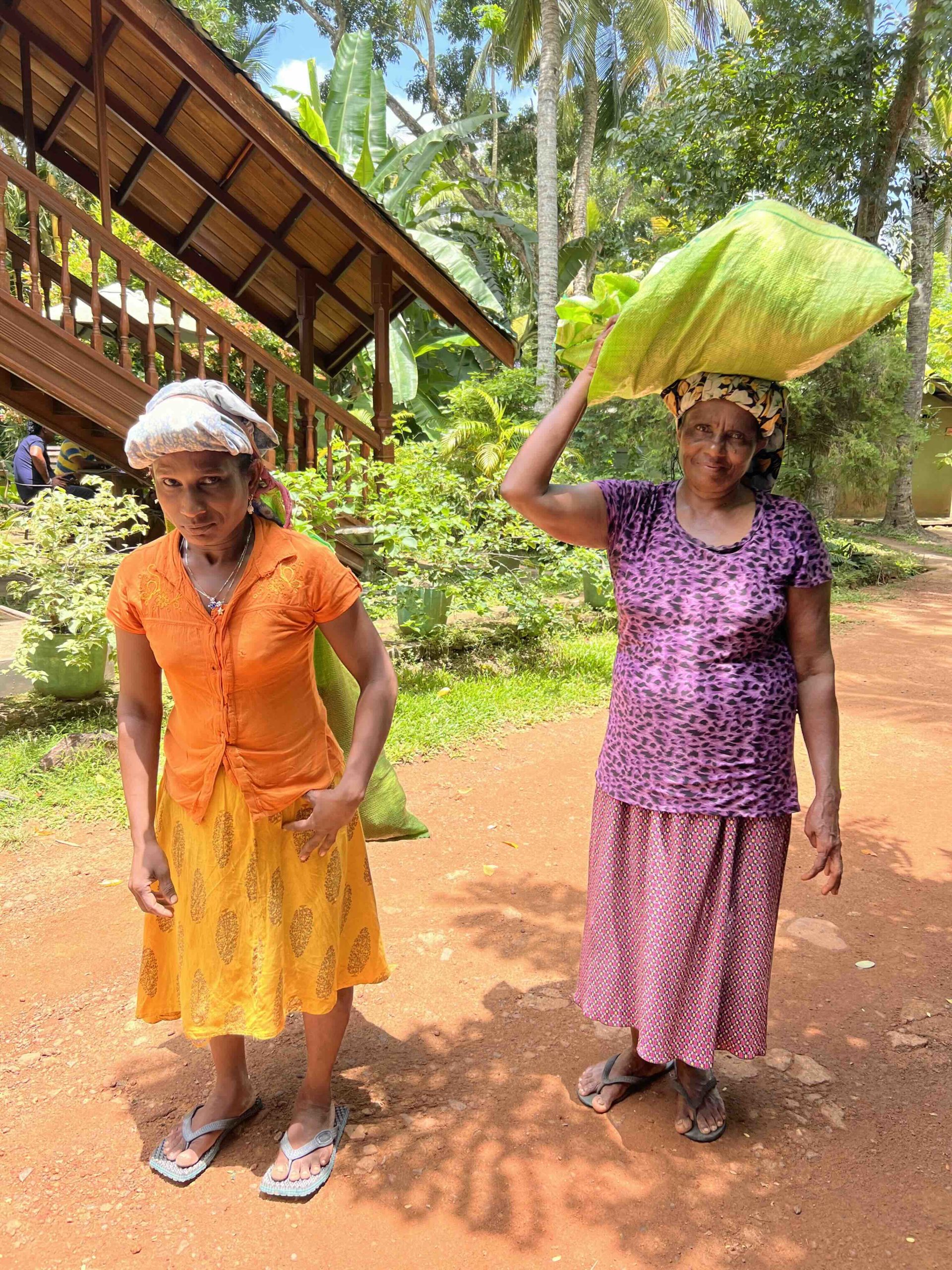
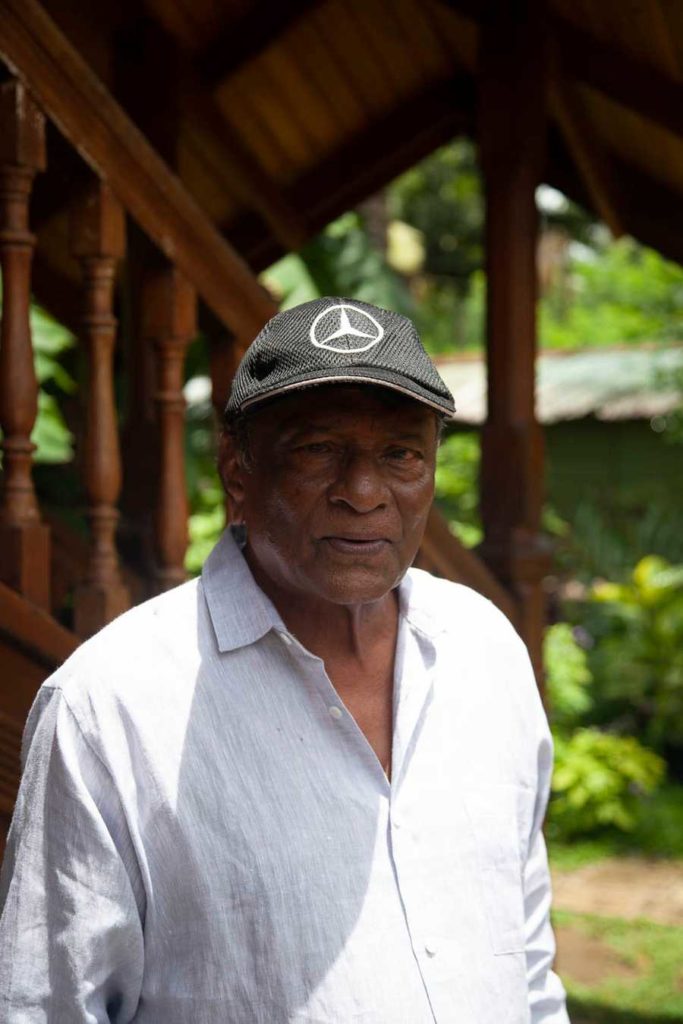
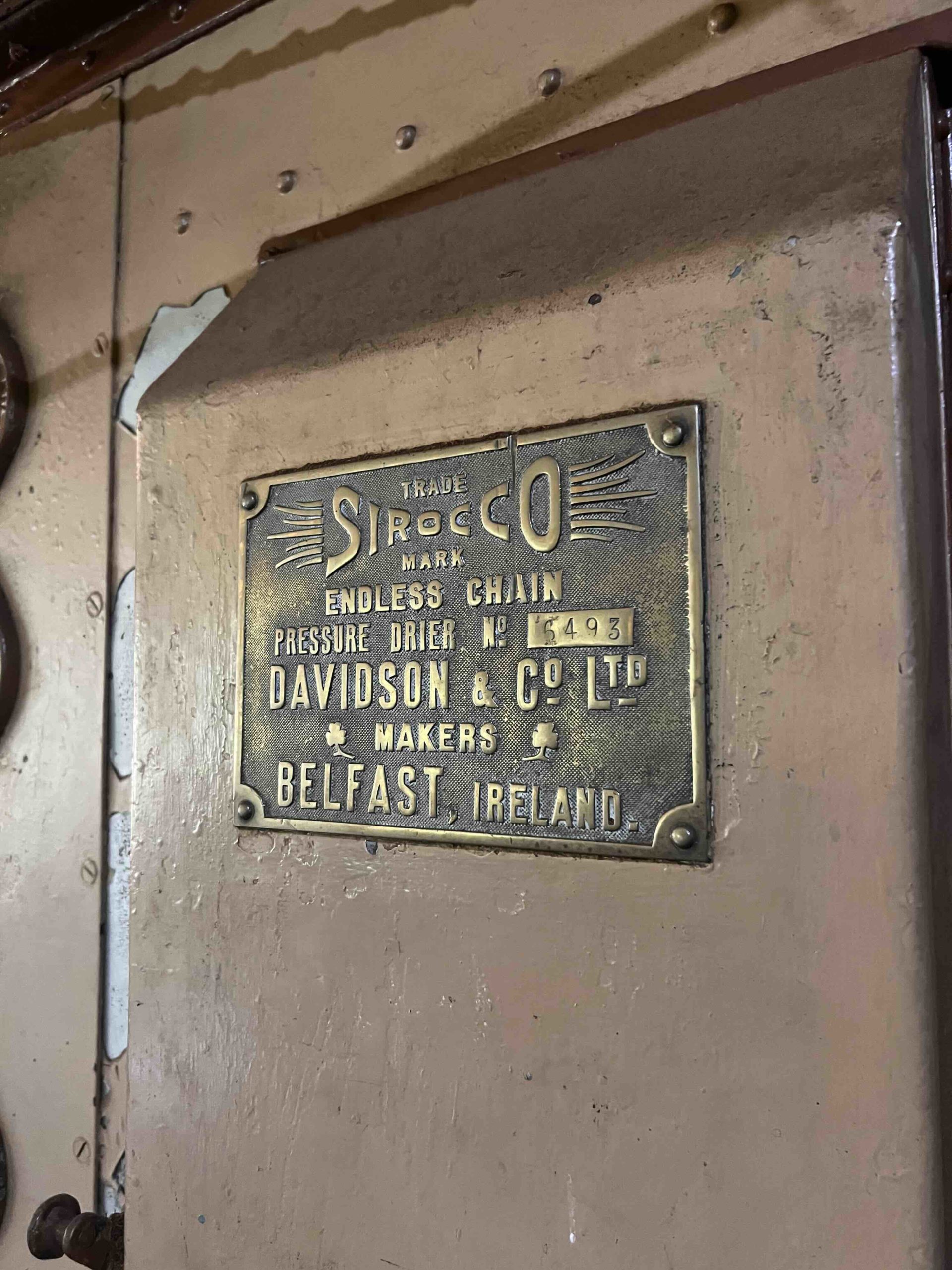
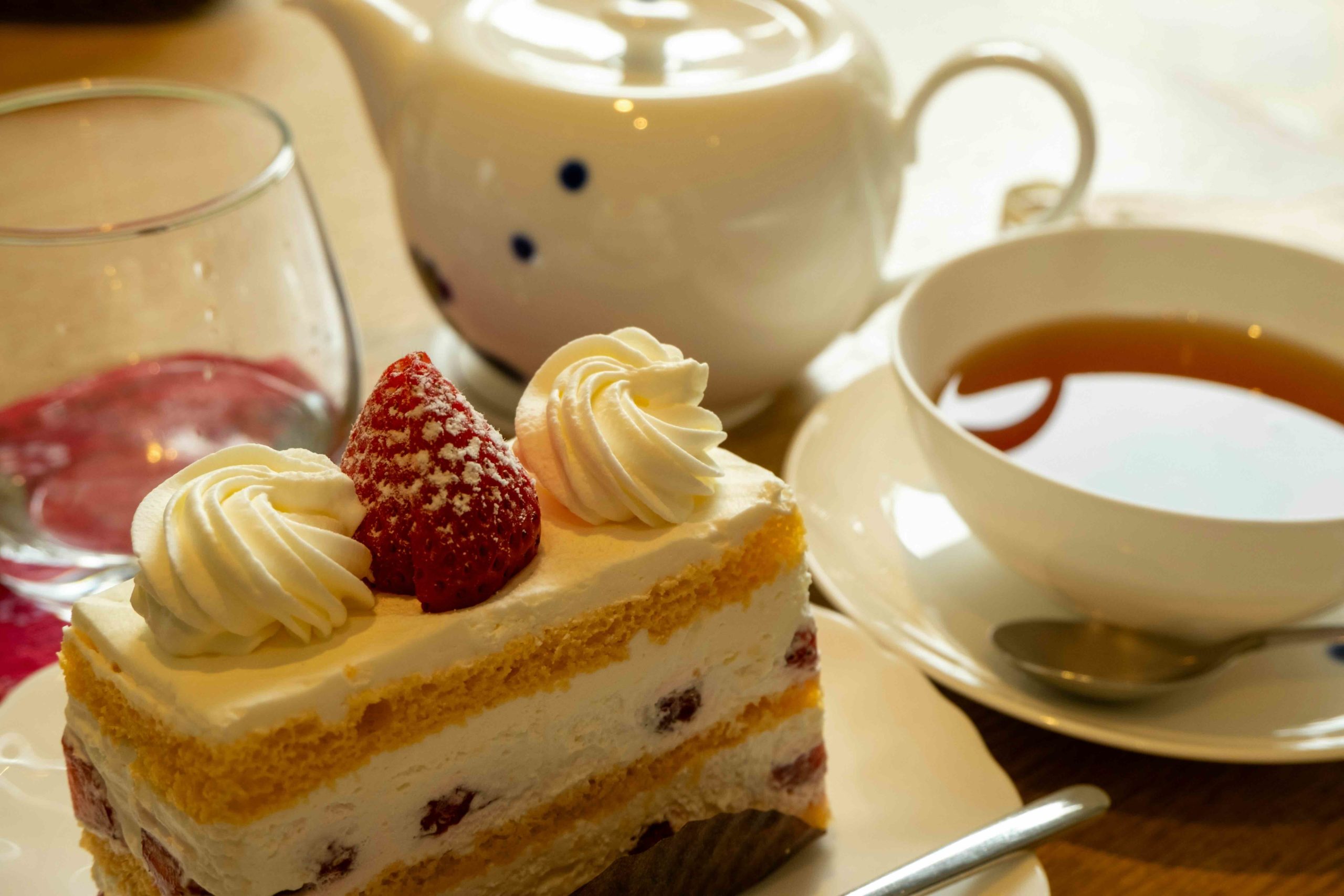
This is an opportunity to observe traditional harvesting methods on British machines that are over 140 years old. The guides on the estate will walk you through the process from planting to harvesting and you may see some of the harvesters themselves in action. During the tour, the owner Herman Gunaratne, generously allows a stop on his veranda to sample some tea and cake before the tour continues.
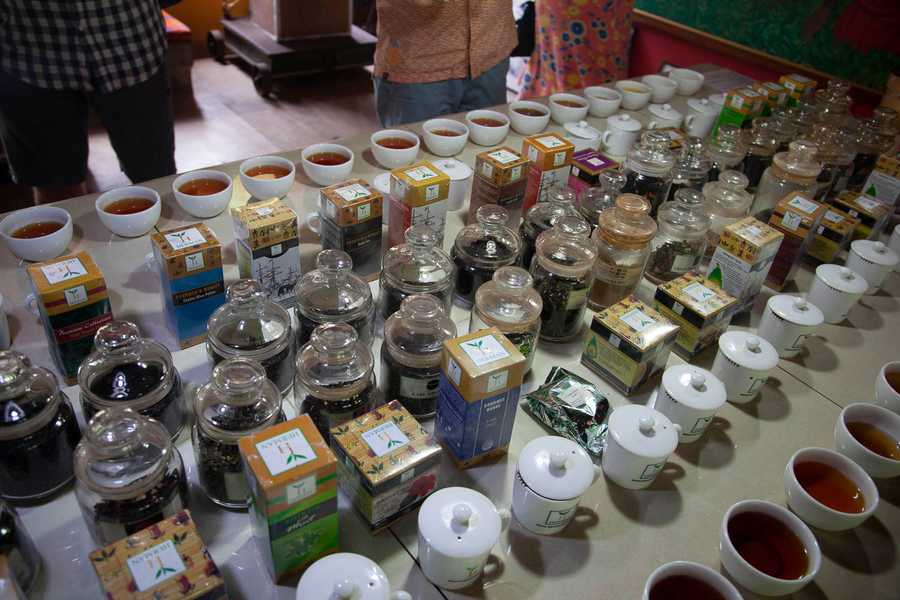
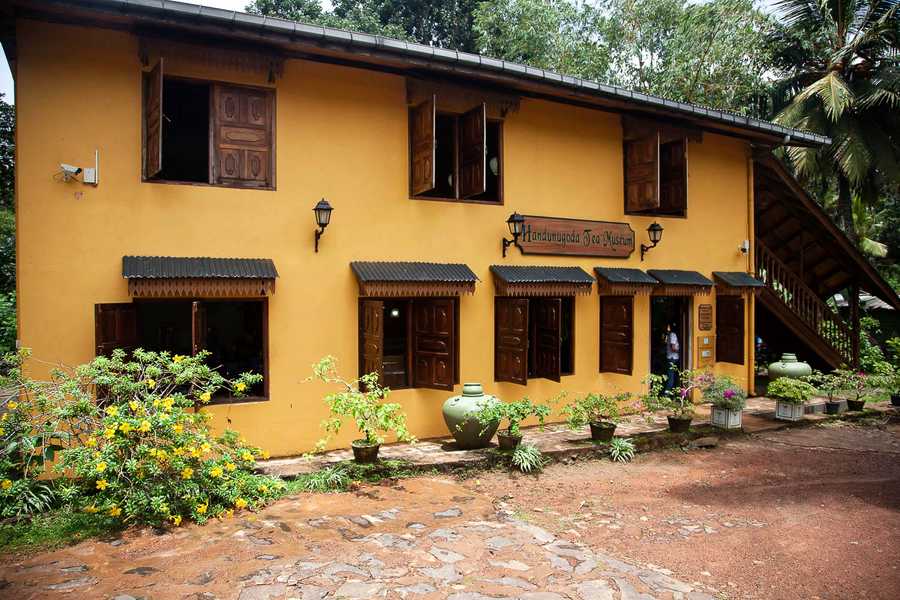
Handunugoda produces a wide range of exotic teas, many have won awards including Ceylon Soochong and Flowery Camellia. In the tasting room at the end of the tour you will also find herbal infusions such as Chai, Lemongrass and Rainforest Teas. Stopping by the Cinnamon rooms to see how Ceylon Cinnamon is produced and dropping by the Rubber Trees to watch the tapping process, make this whole experience a wholesome insight into the farming process of three Sri Lankan products. A collision of old and new world in harmony under the auspices of Sri Lankan owners.
The tour at the plantation is completely free and there is no obligation to buy any products. Be warned, it is hard to leave without purchasing a box after tasting the range of teas on sale in the shop, and seeing the passion behind the process through the eyes of the teams.
A Global Connection
Despite its relatively small scale, Handunugoda’s Virgin White Tea has gained international attention. It has been supplied to high-end tea houses in Paris, including those on Rue du Faubourg Saint-Honoré, placing it in a global context of luxury and rarity. The Virgin White Tea is a highly sought after product that travels to the world’s most discerning markets.
Visit Handunugoda Tea Estate
Add this experience to your stay, our team can arrange your visit with ease. Visiting Handunugoda Tea Plantation is an opportunity to visit one of Sri Lanka’s best known industries just 30 minutes from the ocean. The plantation is close by and gives some wider perspective to our island, yet it is small enough to feel personal and not commercialised.
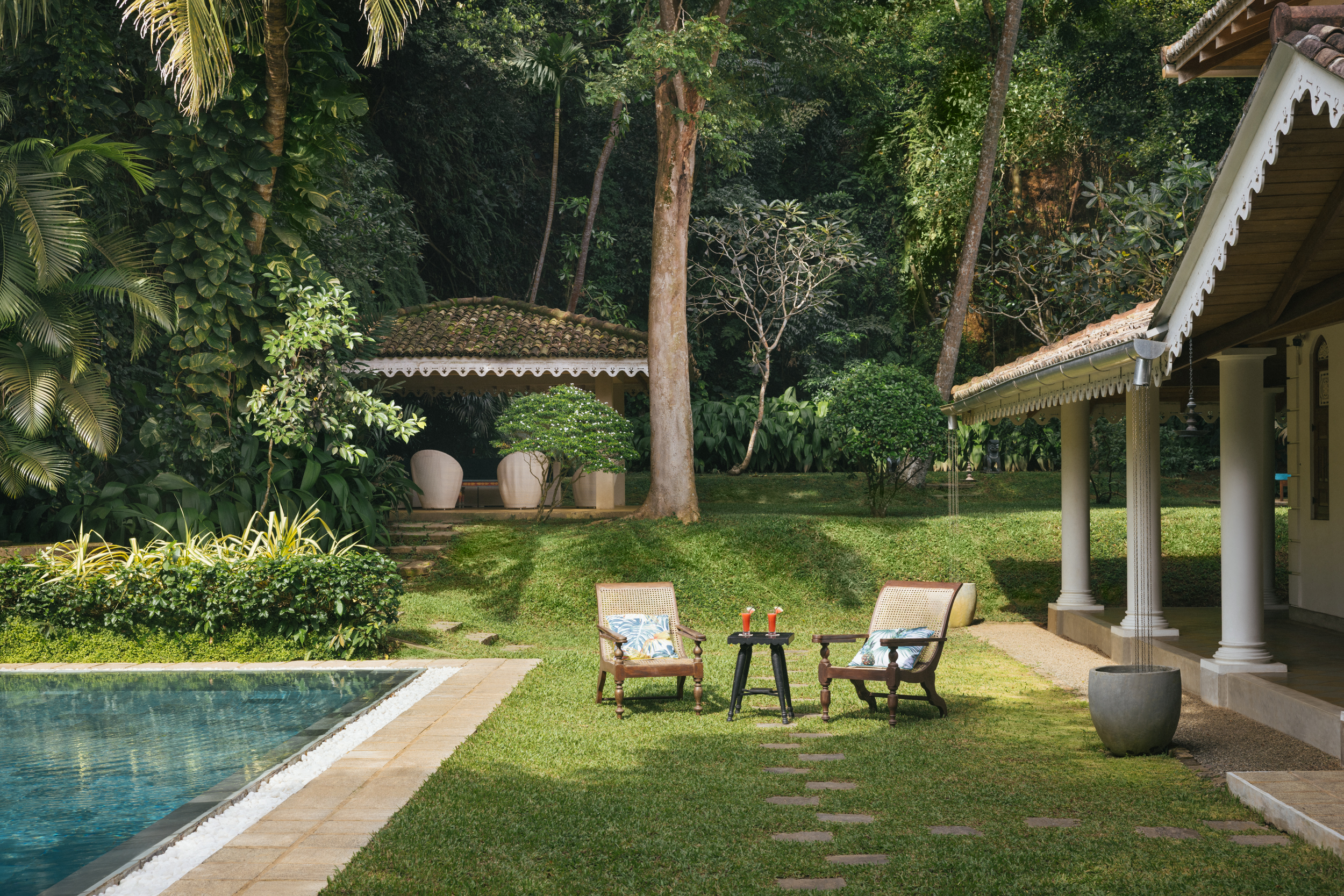
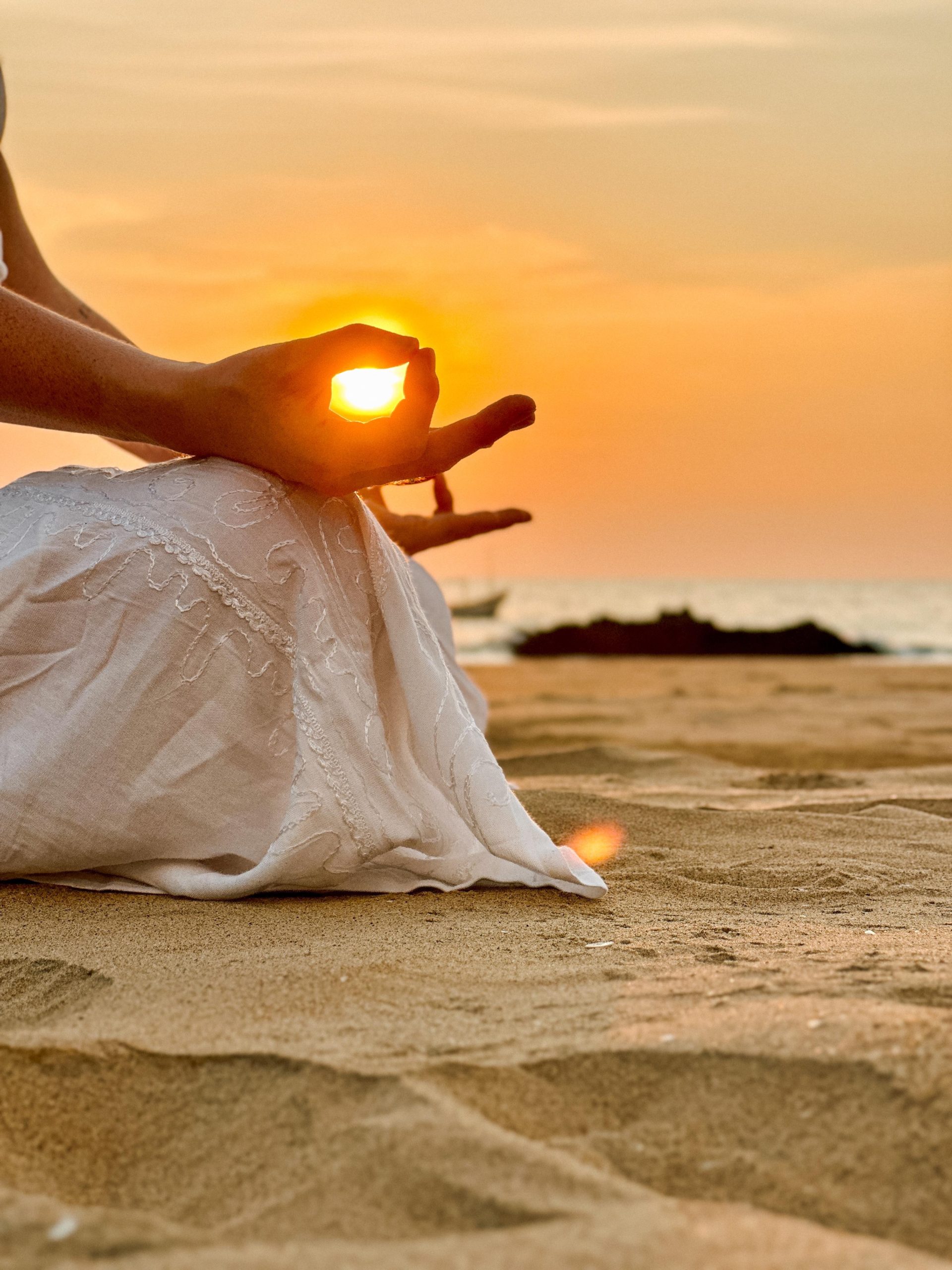
This a wonderful half-day experience that fits naturally into the flow of a slow travel stay. Imagine a morning yoga class and lazy breakfast followed by a visit to the Estate and afternoon back by the pool.