Fewer Crowds. Lush Landscapes. Extraordinary Experiences.
When researching the best time to visit Sri Lanka, most travellers quickly encounter two terms: “season” and “off-season”.
The advice is usually simple: visit during season and avoid the off-season. But what if that advice is wrong?
As Sri Lanka continues to gain attention as one of the world’s most exciting travel destinations, many visitors arrive with the misconception that part of the year should be avoided. In reality, Sri Lanka doesn’t have an “off switch”. There is no time when the island closes down, beaches empty completely, or experiences disappear. Instead, Sri Lanka offers something entirely different throughout the year.
What many travel guides call the “off-season” is often simply the island’s Green Season. This is a period when tropical rains transform the landscape, crowds thin out, and travellers discover a slower, more authentic side of the country.
For those willing to look beyond the traditional tourist calendar, it may be the best time to visit Sri Lanka.
What Is Sri Lanka’s Green Season?
Sri Lanka experiences two monsoon systems that affect different parts of the island at different times of year.
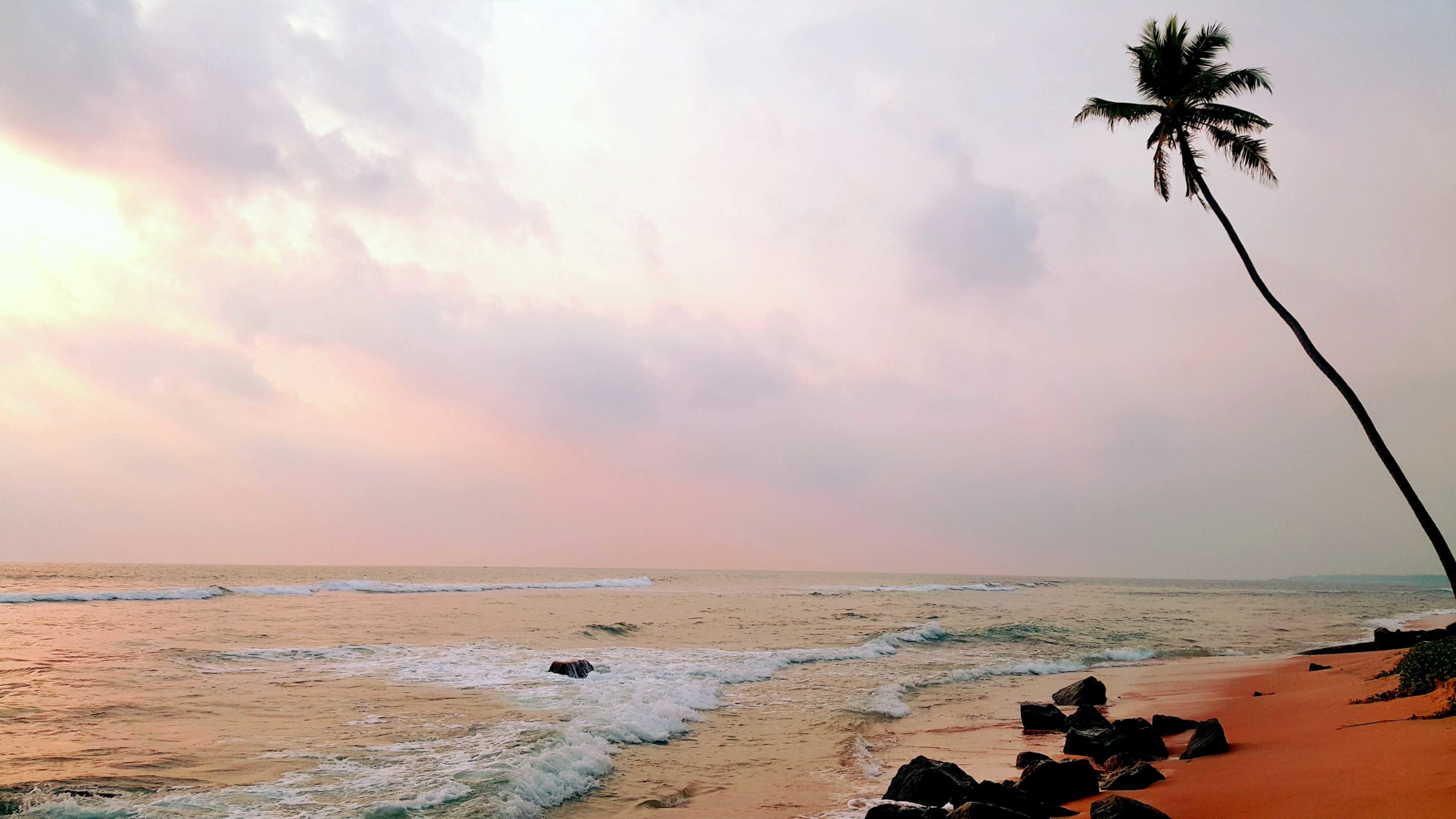
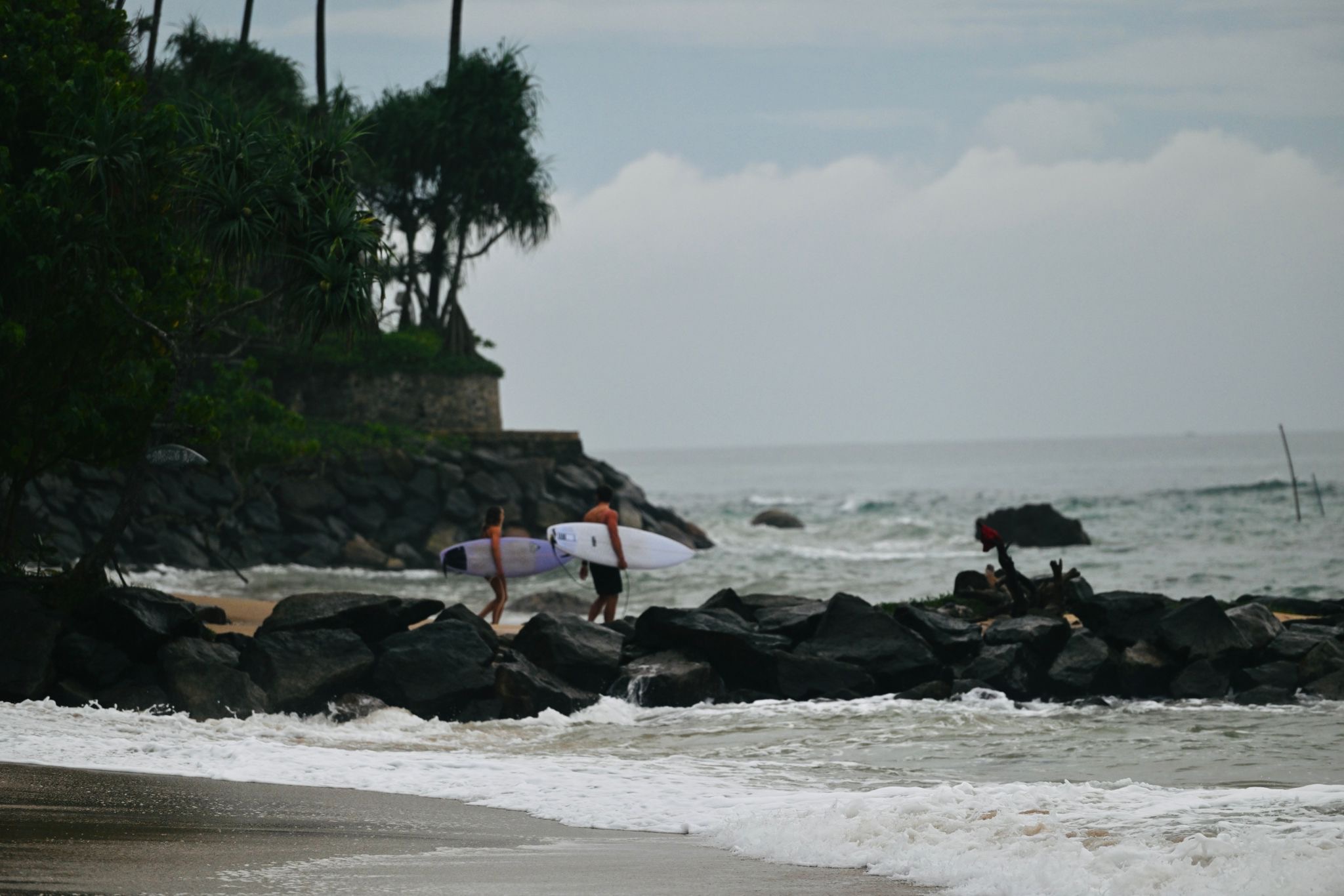
Along the South Coast of Sri Lanka, including Weligama, Ahangama and Galle, the Green Season typically arrives between March and July. While visitors often associate the word “monsoon” with endless rain, the reality is far more appealing. Think dramatic skies, warm tropical showers, emerald-green landscapes and quieter beaches.
Rain often arrives in short bursts before giving way to sunshine, creating the perfect conditions for exploring, relaxing and experiencing the island at a gentler pace. Locals often view this period as the island’s reset button.
Following Sinhala and Tamil New Year celebrations in April, nature comes alive. Paddy fields glow bright green, gardens flourish and the countryside feels refreshed after the dry months. So it is no surprise that many residents prefer to call it Green Season rather than rainy season.
Is Sri Lanka Worth Visiting During the Rainy Season?
This is perhaps the most frequently asked question by travellers.
The answer is yes.
In fact, Green Season offers several advantages that many visitors only discover after arriving.
Fewer Crowds
The most obvious benefit is space. Popular beaches become quieter, restaurants are easier to book, and attractions can be enjoyed without the queues and crowds often associated with peak season travel.
You will experience a more relaxed version of Sri Lanka, one that feels closer to how locals enjoy it themselves.
Lush Landscapes
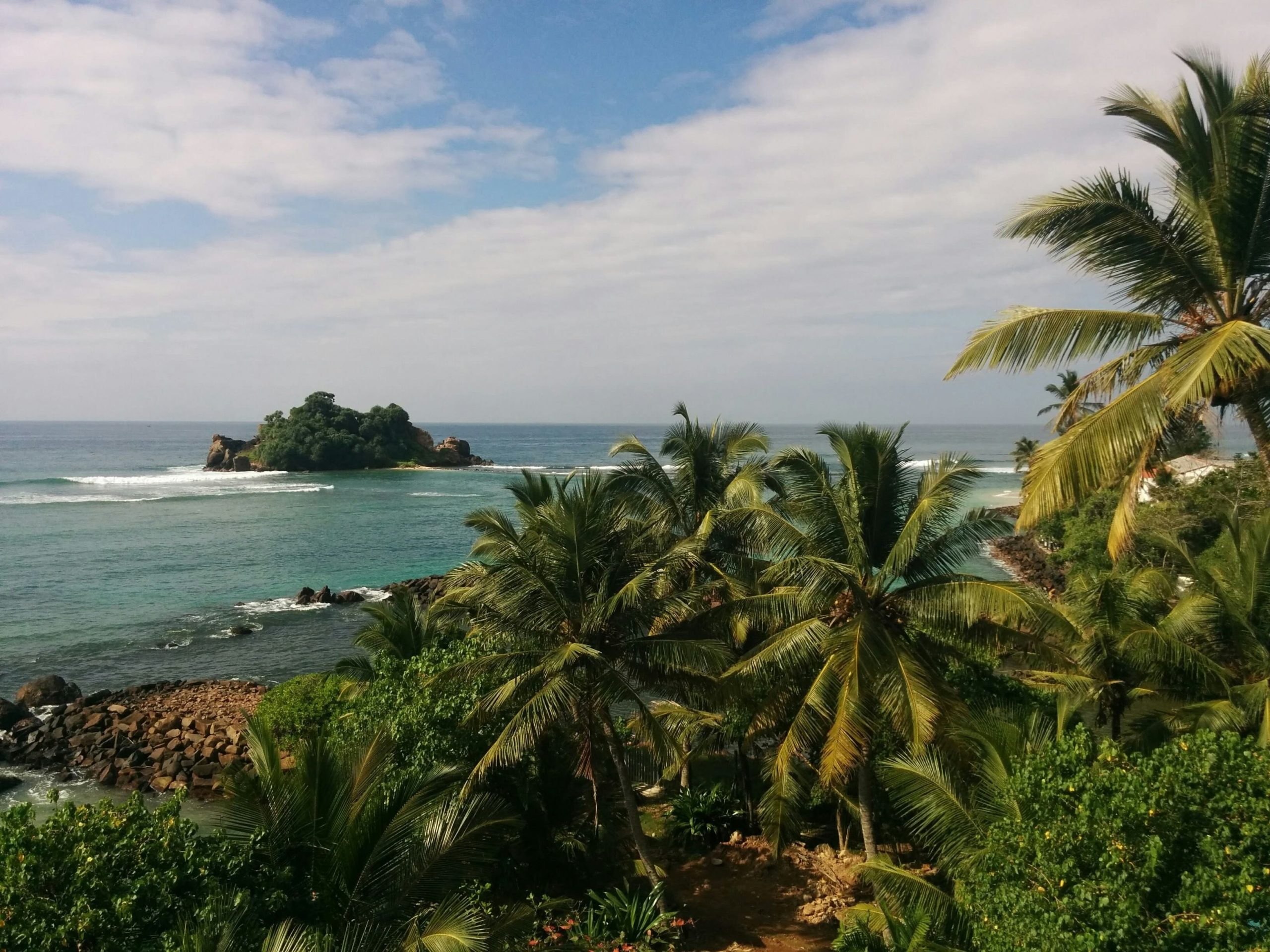
If your image of Sri Lanka includes swaying palms, vibrant jungle and endless shades of green, Green Season is when the island looks its most beautiful. The tropical rains bring the landscape to life, making it an exceptional time for photography, nature experiences and wellness escapes.
Better Value
For many travellers, Green Season represents one of the best opportunities to enjoy Sri Lanka’s boutique hotels, private villas and unique experiences. Availability is often greater and travellers can enjoy a more exclusive experience while avoiding peak-season demand.
A Slower Pace of Travel
Perhaps the greatest luxury of all is time. Without the pressure of packed itineraries or crowded attractions, visitors often find themselves slowing down and connecting more deeply with the destination.
Discovering South Coast Sri Lanka Beyond the Beach
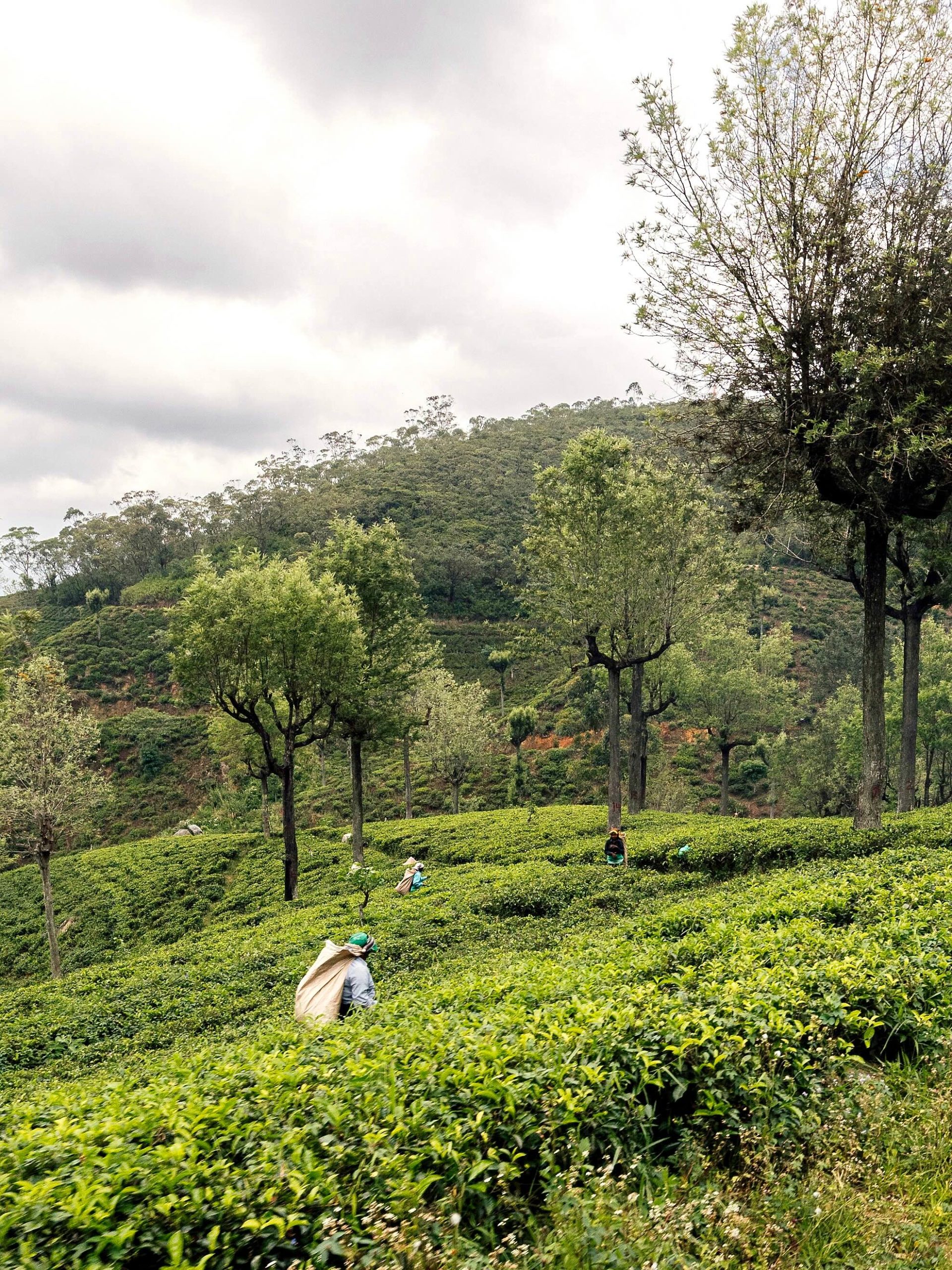
While Weligama is famous for its surf culture and beautiful coastline, Green Season reveals another side of the South Coast.This is the perfect time to explore inland villages, tea plantations, lakes, wildlife and cultural experiences that many visitors overlook.
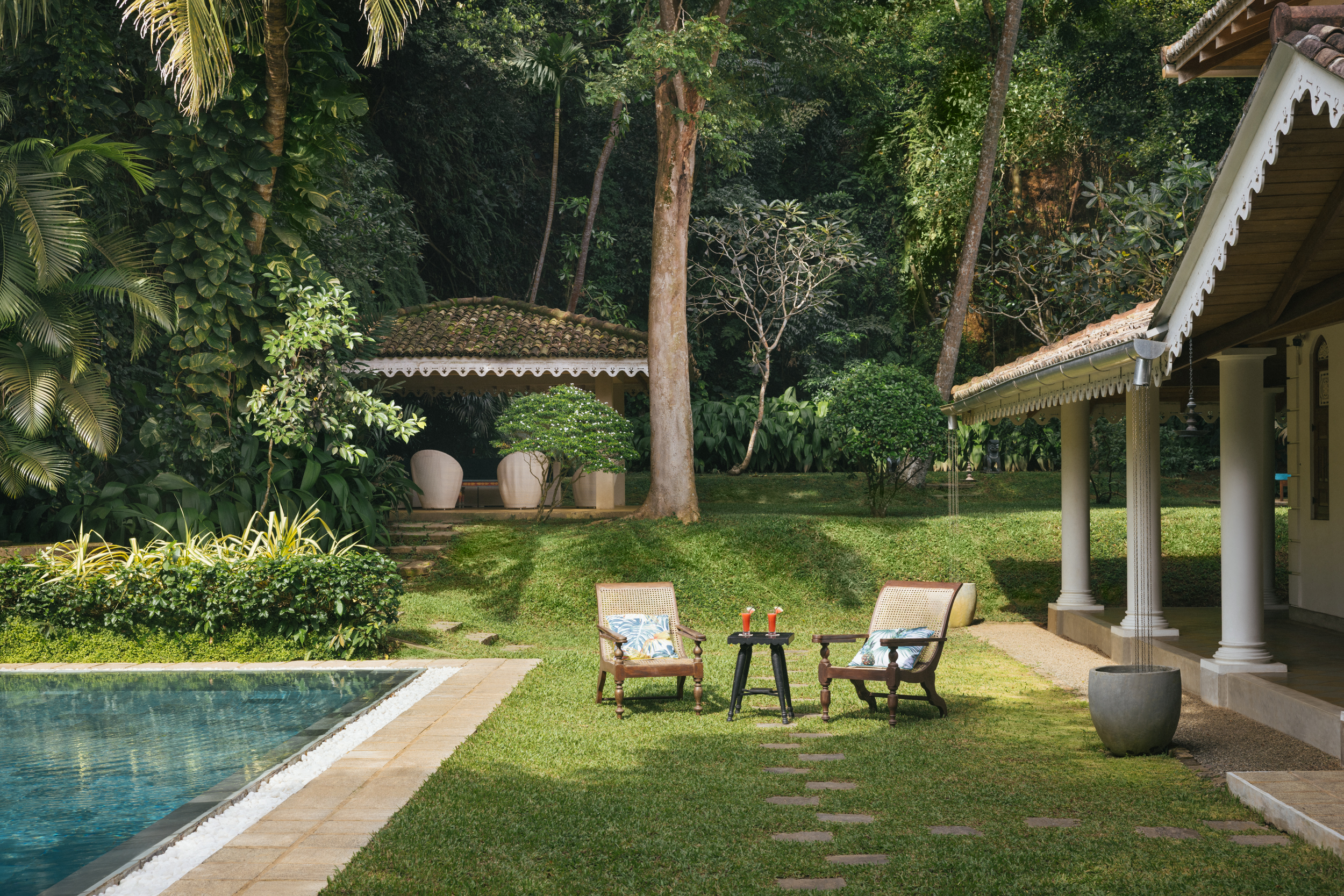
At Kalukanda House, a design-led boutique retreat tucked away in a quiet corner of Weligama, guests discover that some of their most memorable experiences happen away from the beach. Set within tropical gardens and just minutes from both the coastline and countryside, Kalukanda House reflects the slower rhythm of Green Season itself ; thoughtful, creative and deeply connected to its surroundings.
It also provides an ideal base from which to explore the many hidden experiences that emerge during this time of year.
Things to Do in Weligama During Green Season
Watch Sunset from Galle Fort
One of Sri Lanka’s most iconic UNESCO World Heritage sites becomes even more atmospheric when dramatic monsoon skies meet the Indian Ocean.
Visit the Virgin White Tea Plantation
Located inland near Ahangama, this unique plantation offers insight into one of Sri Lanka’s rarest and most exclusive teas. Read more about Handunugoda Tea Plantation here
Enjoy a Cookery Class in a Local’s Home
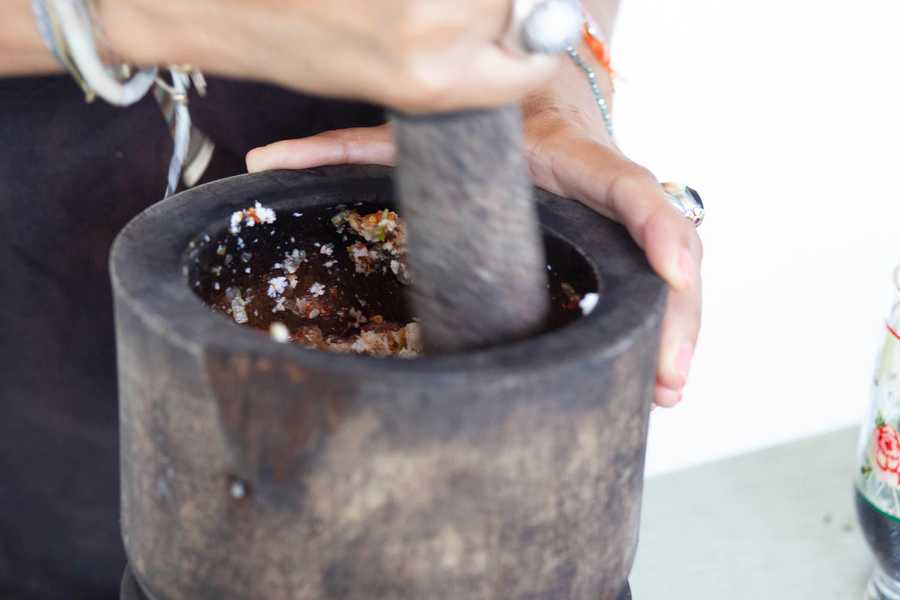
Sri Lankan cuisine is world renowned for the incredible flavours produced by mixing selected spices in a magical way. A variety of vegetables, seafood and historic influences mean Sri Lankan cuisine is varied and surprising. Spending time with a local, grinding spices, discovering island produce, and cooking authentically is one of the most exciting ways to discover our dishes.
Experience Ember & Ice
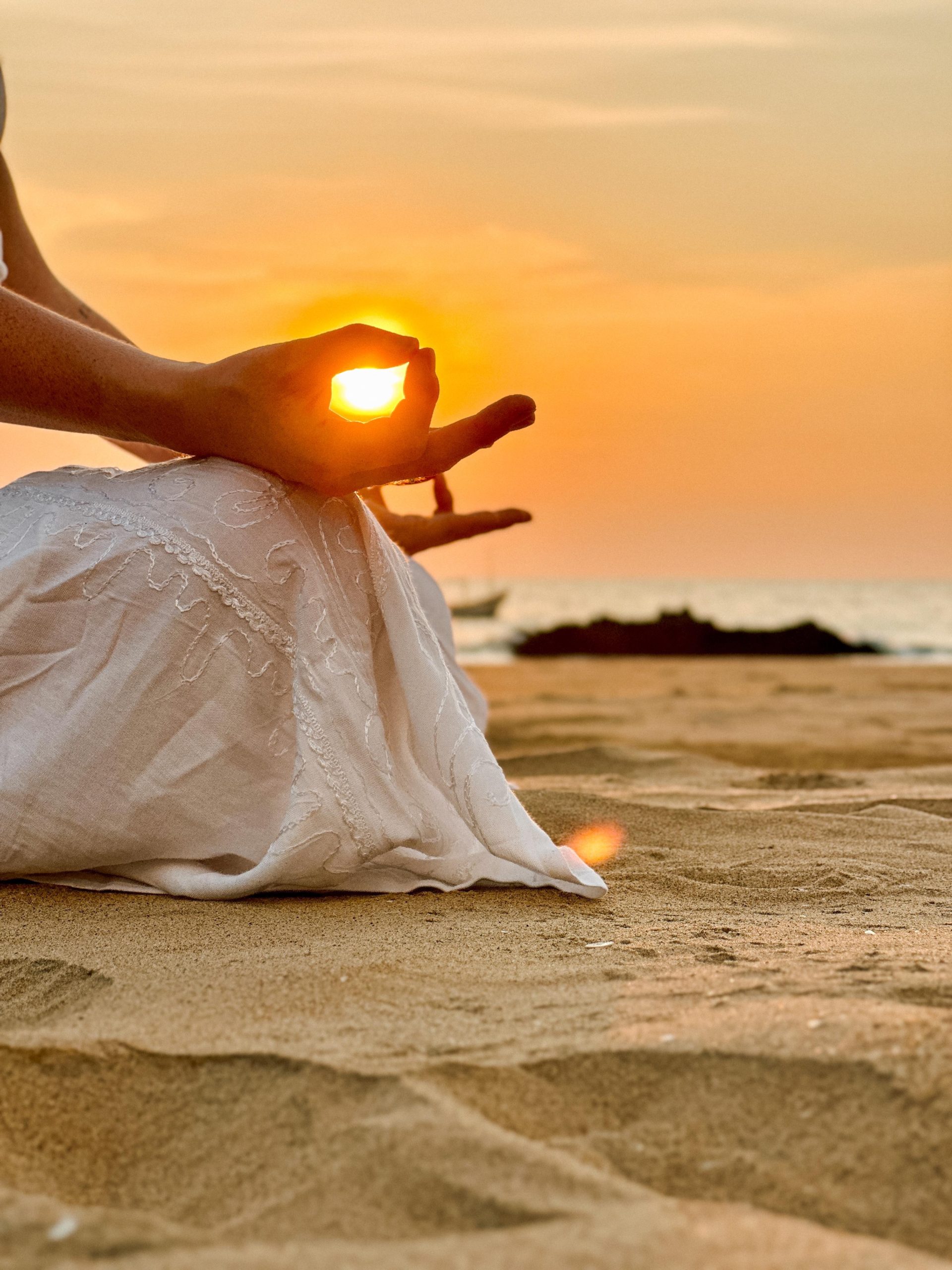
Combine sauna sessions with cold immersion experiences for a wellness-focused afternoon on the South Coast.
Visit the Weligama Snake Farm
This rehabilitation centre rescues injured snakes before safely releasing them back into the wild, offering visitors an educational and conservation-focused experience.
Explore Koggala Lake
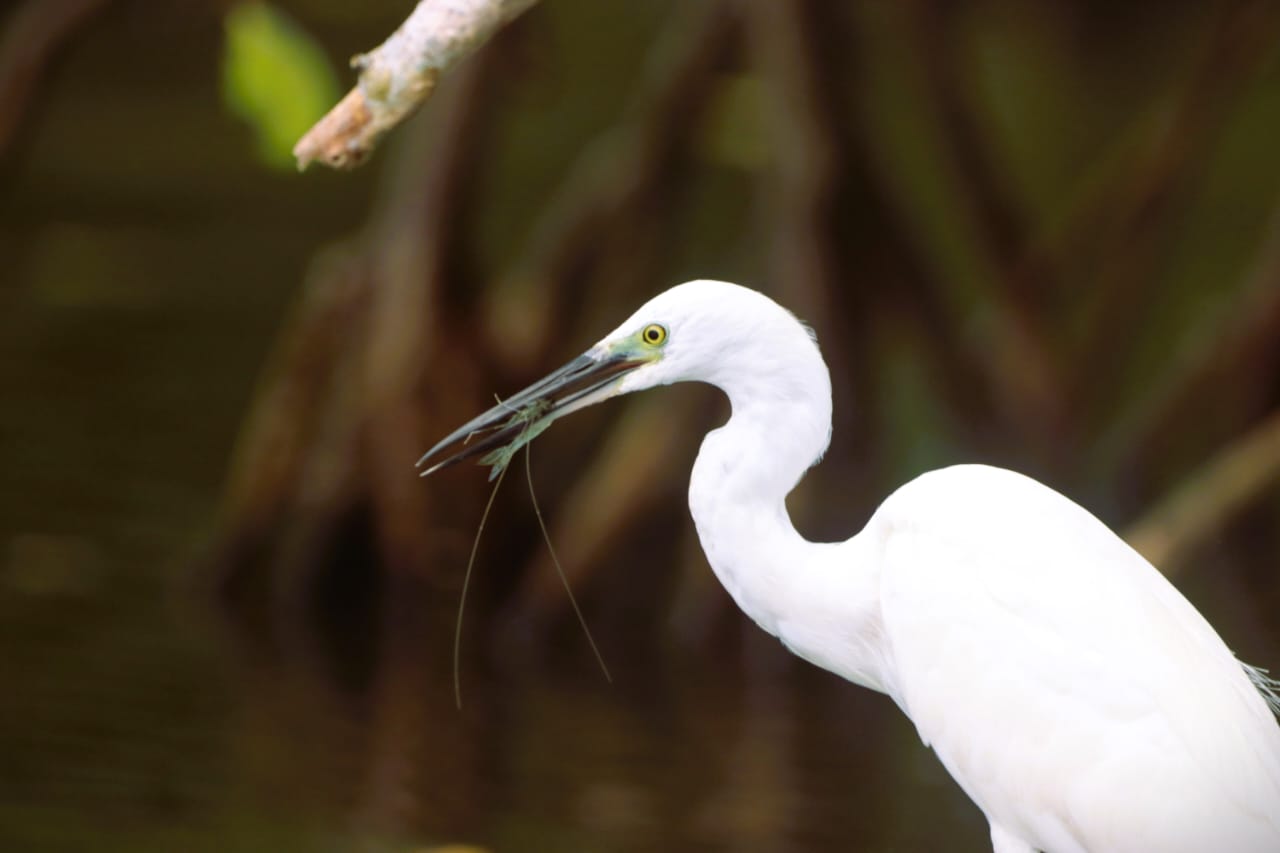
Take a boat through mangrove forests, discover island communities and observe local wildlife in one of the region’s most beautiful ecosystems.
Beach-Hop Along the South Coast
From Kabalana to Ahangama, Midigama and Weligama, each beach offers a distinct atmosphere and character.
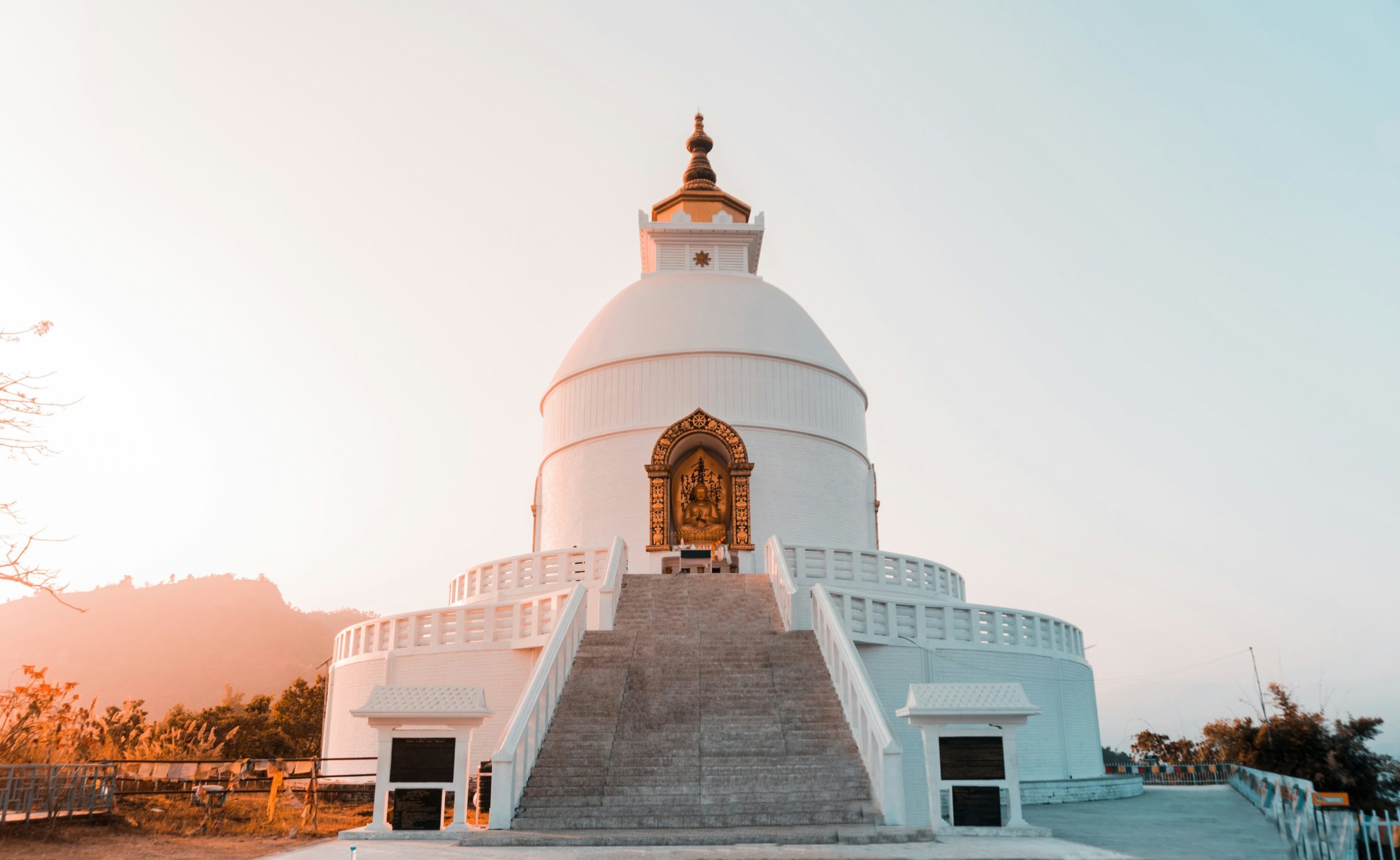
Visit the Japanese Peace Pagoda at Rumassala
A peaceful viewpoint overlooking Galle Bay with panoramic ocean views and a sense of calm that perfectly suits Green Season. The huge white stupa is surrounded by statues painted in gold, and a flight of stairs nearby leads to a walkway around the shrine, offering breath-taking views of the jungle, the sea, and the Galle Fort.
Enjoy Weligama’s Local Nightlife
Gather with locals and travellers alike for live music, good food and relaxed evenings at venues such as Crust and Uncles.
Watch a Film Under the Stars
The Moving Octopus rooftop cinema provides one of the South Coast’s most unique evening experiences.
Cycle Through the Countryside
Head inland to discover paddy fields, wildlife, cinnamon plantations and village life away from the coast.
Frequently Asked Questions About Sri Lanka’s Green Season
Does it rain all day during Green Season?
No. Rain is often concentrated into short tropical showers, leaving plenty of time for sightseeing, swimming and exploring.
Is Green Season cheaper than peak season?
Many travellers find greater availability and better value during Green Season, particularly at boutique hotels and private villas.
What should I pack?
Lightweight clothing, comfortable footwear, swimwear and a light waterproof jacket are usually sufficient.
Is Green Season good for families?
Absolutely. Quieter beaches, fewer crowds and a slower pace often make travel easier and more enjoyable for families.
Is Green Season the best time to visit Sri Lanka?
That depends on what you’re looking for.
If your idea of the perfect holiday includes fewer crowds, greener landscapes, authentic local experiences and a more relaxed pace of travel, then Green Season may well be Sri Lanka’s best-kept secret.
Sometimes the best time to visit a destination is when everyone else thinks it’s the wrong time to go!
Discover Green Season Offers with Kalukanda House
For Families, Solo Travellers and Groups offers are available, contact us here stay@kalukandahouse.com