Sari Draping and Identity
The significance of the history of sari in Sri Lanka comes to most only after pausing to consider why this garment came to be. For many travellers arriving in Sri Lanka, the sari is encountered as something ceremonial with luminous silks at weddings, carefully pleated fabrics at religious events and elegant women moving through temples and family gatherings with a quiet rustle and grace. It seems to be so ornately worn that sometimes a woman in sari can appear untouchable.
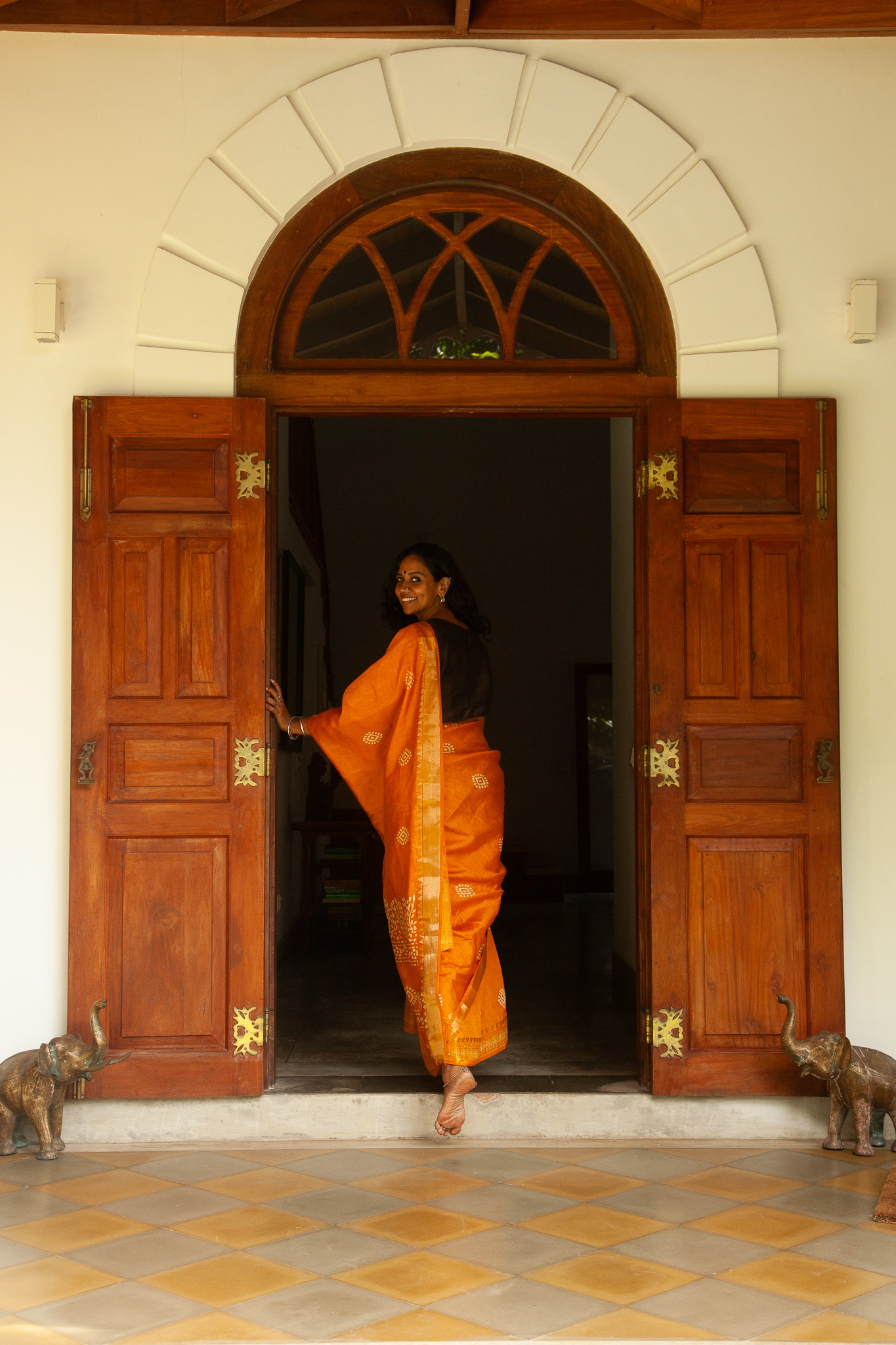
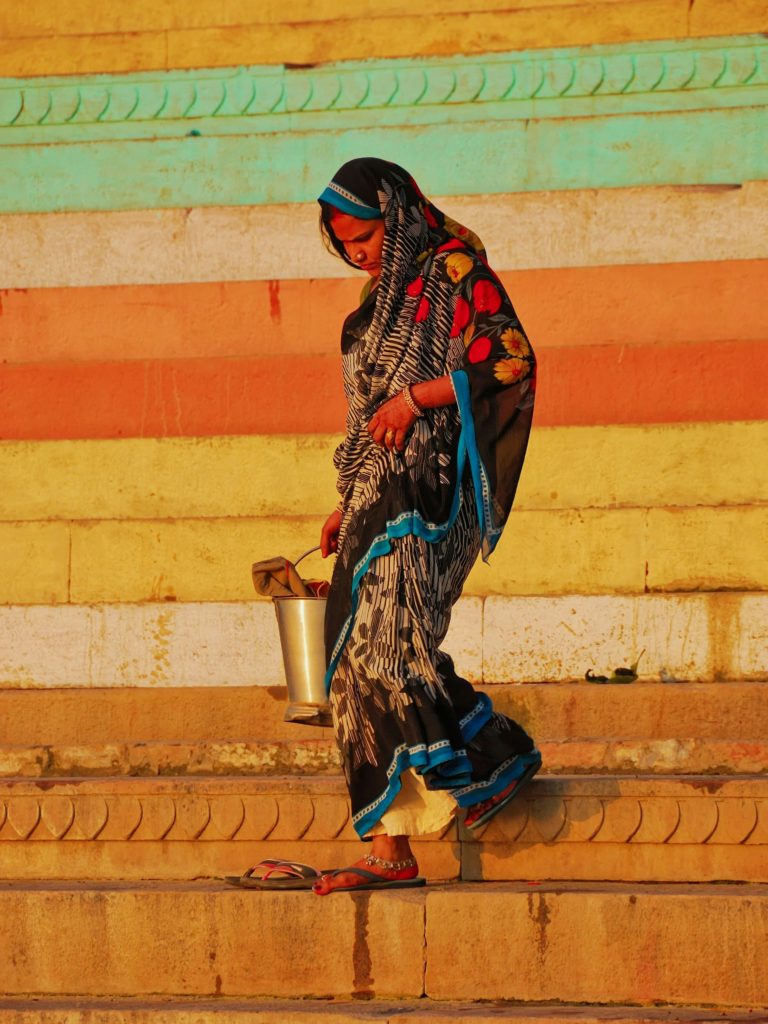
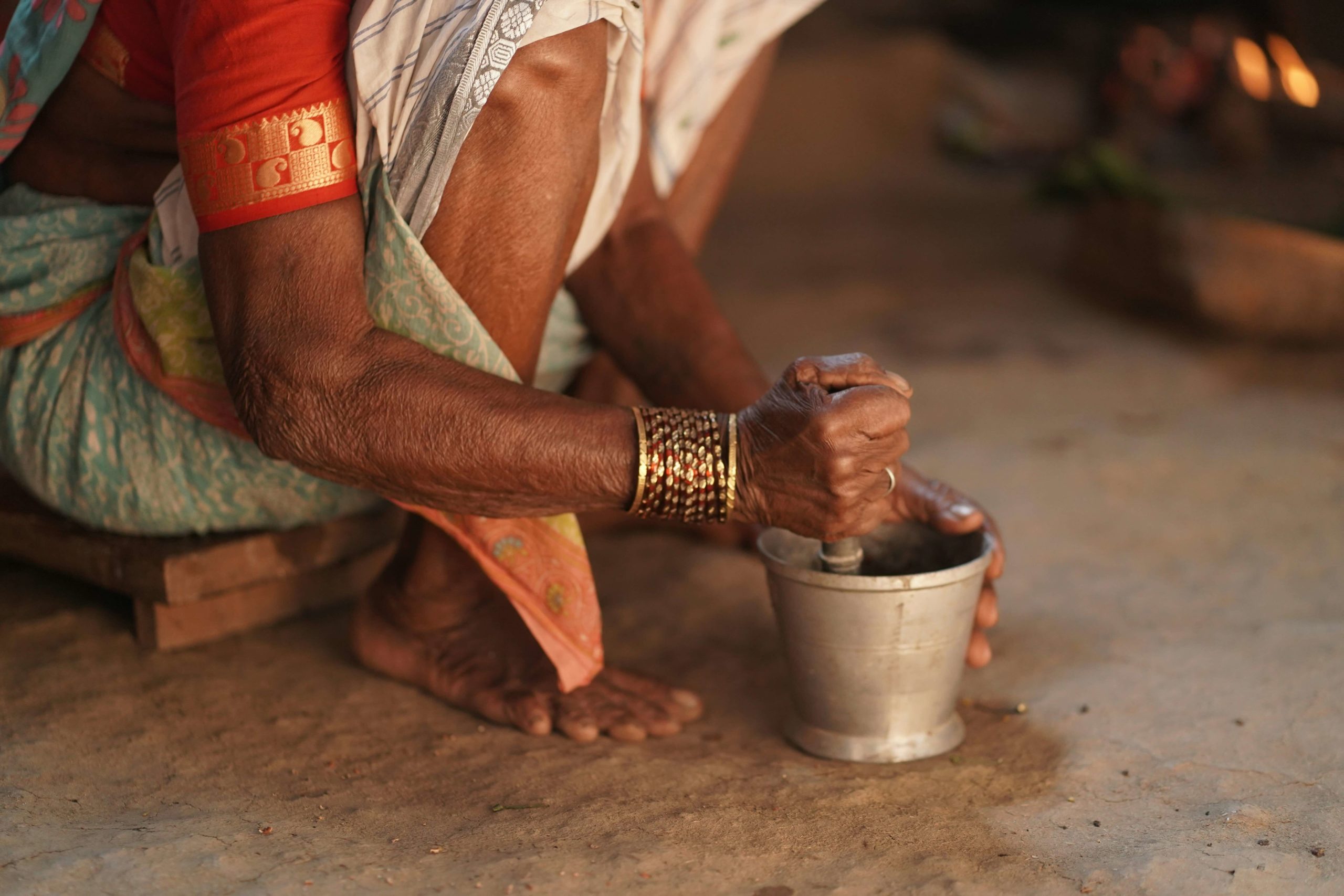
Long before it became associated with special occasions, the sari was part of daily life across South Asia, including Sri Lanka. It is practical, adaptable, expressive and deeply personal and shifted with climate, work, region and routine. Sari was worn by women on the coast and inland, by those working in fields, running households, attending ceremonies or simply moving through the day. From Tea Estate workers to Teachers, and from Brides to hard working Mothers at home with young children, sari in its earliest form was less a fixed garment than a language of drape. One long piece of cloth, wrapped and adjusted to suit the body and the life being lived was the unifying experience.
That sense of the sari as something living, rather than static, is what makes it so fascinating today.
Understanding Sri Lanka’s Sari Culture
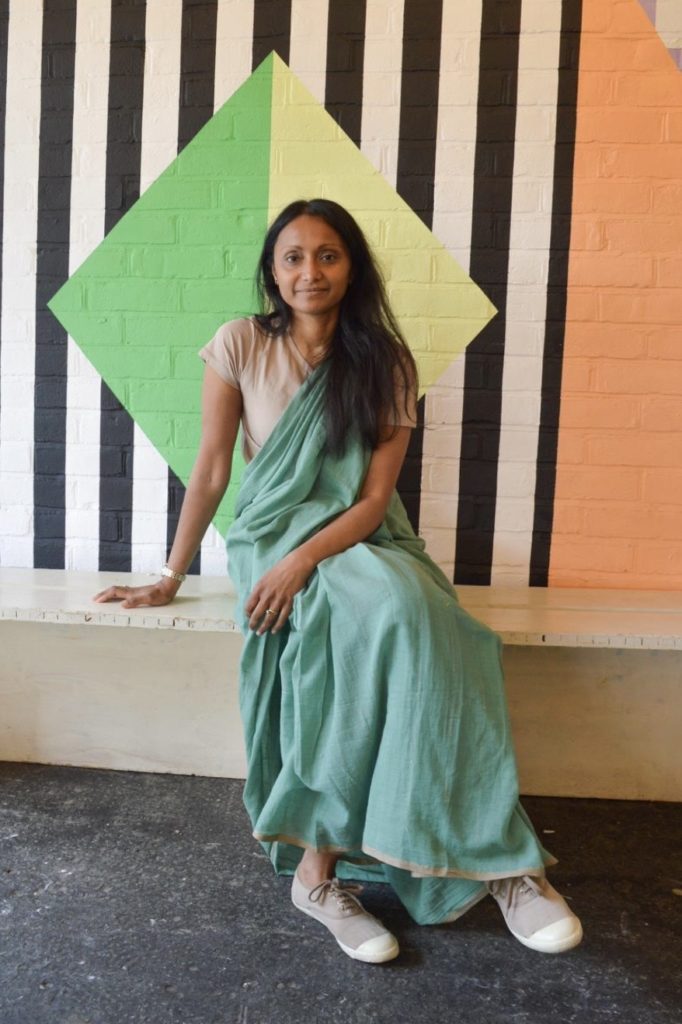
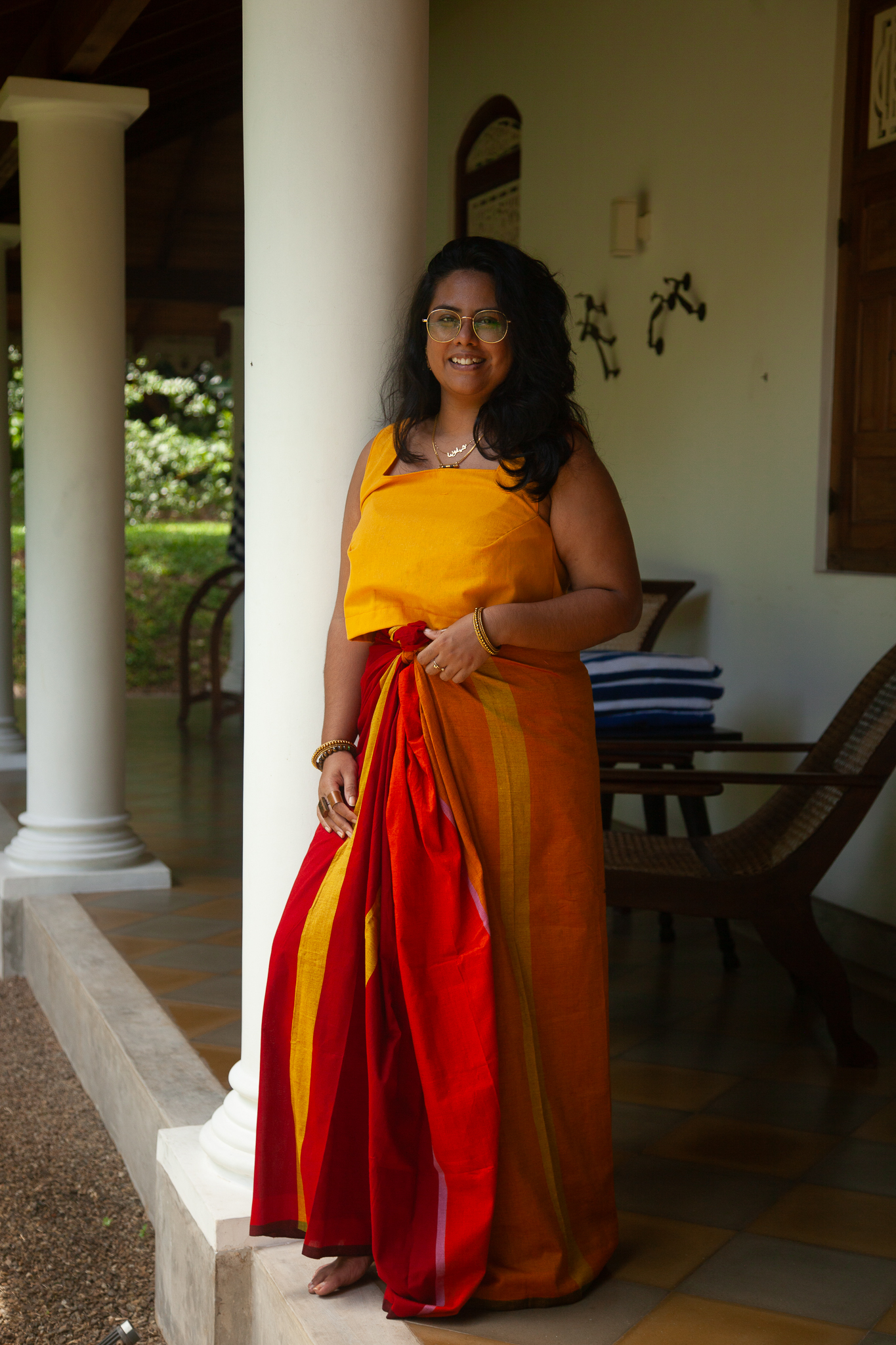
For British Sri Lankan creative Mehala Ford, founder of the ‘Friday Sari Project’, reconnecting with the sari became a way of reconnecting with her heritage. After years as a Fashion PR working for the likes of Alexander McQueen and other well known Western brands, she found herself returning to questions many in the diaspora quietly hold: What has been handed down? What has been lost? And what does it mean to reclaim culture on your own terms?
Her route into sari did not begin with fashion alone, but with a more intimate prompt about heritage through her family. From there, the sari became a starting point, not simply as clothing, but as an archive of memory and a question of visual identity. That journey mirrors something many people feel when they arrive in Sri Lanka, and there is a desire to move beyond beaches and packed travel itineraries towards an understanding of everyday culture.
A Garment Shaped by Landscape, Climate and Daily Life
The history of draped cloth goes back to ancient civilisations across the world. Before garments were cut and stitched, fabric was wrapped, folded and pinned around the body in ways that made sense for place and purpose. Sri Lanka and the wider South Asian region developed their own rich traditions within that broader story.
What is striking is how practical many historic sari drapes were. Different styles evolved according to geography, labour and environment. On the coast, drapes might be worn shorter or tucked up for working in and around water. In farming communities, fabric might be drawn over the head or shoulders for shade. These long lengths of fabric could be used to cover exposed skin and carry babies, wrapping in different ways and becoming multi-purpose without pins, buttons or zips.
An assumption of the sari is that it is restrictive. Mehala points out that in fact many of the elements now considered standard, such as the fitted blouses, petticoats and heavily formal styling came later, and were influenced in part by strict colonial Victorian dress codes. Sari draping before then was often more loose and free.
Sri Lanka and the Future of Sari Draping
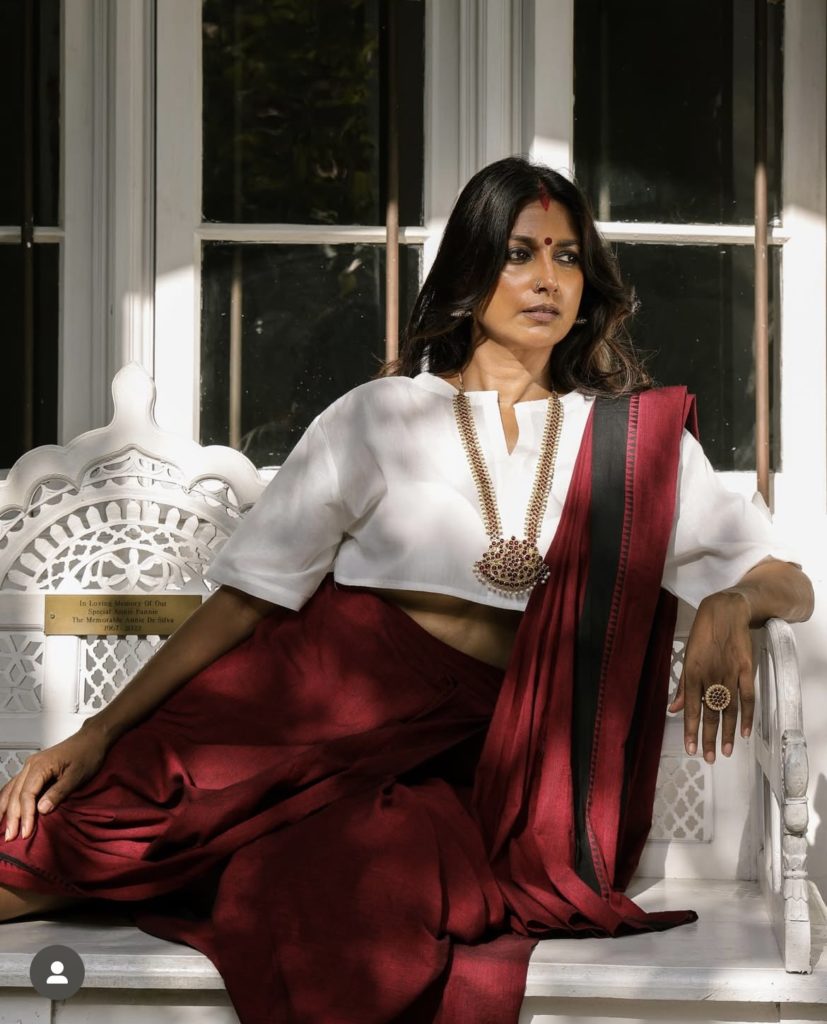
To see the sari only as “traditional dress” is to miss its relevance to the modern day. At a time when many people are rethinking fashion by buying less, valuing craft more and questioning waste, the sari becomes a modern solution to fast fashion. It is a single piece of fabric that can be worn in different ways, adapted across ages and body types, and passed down through generations.
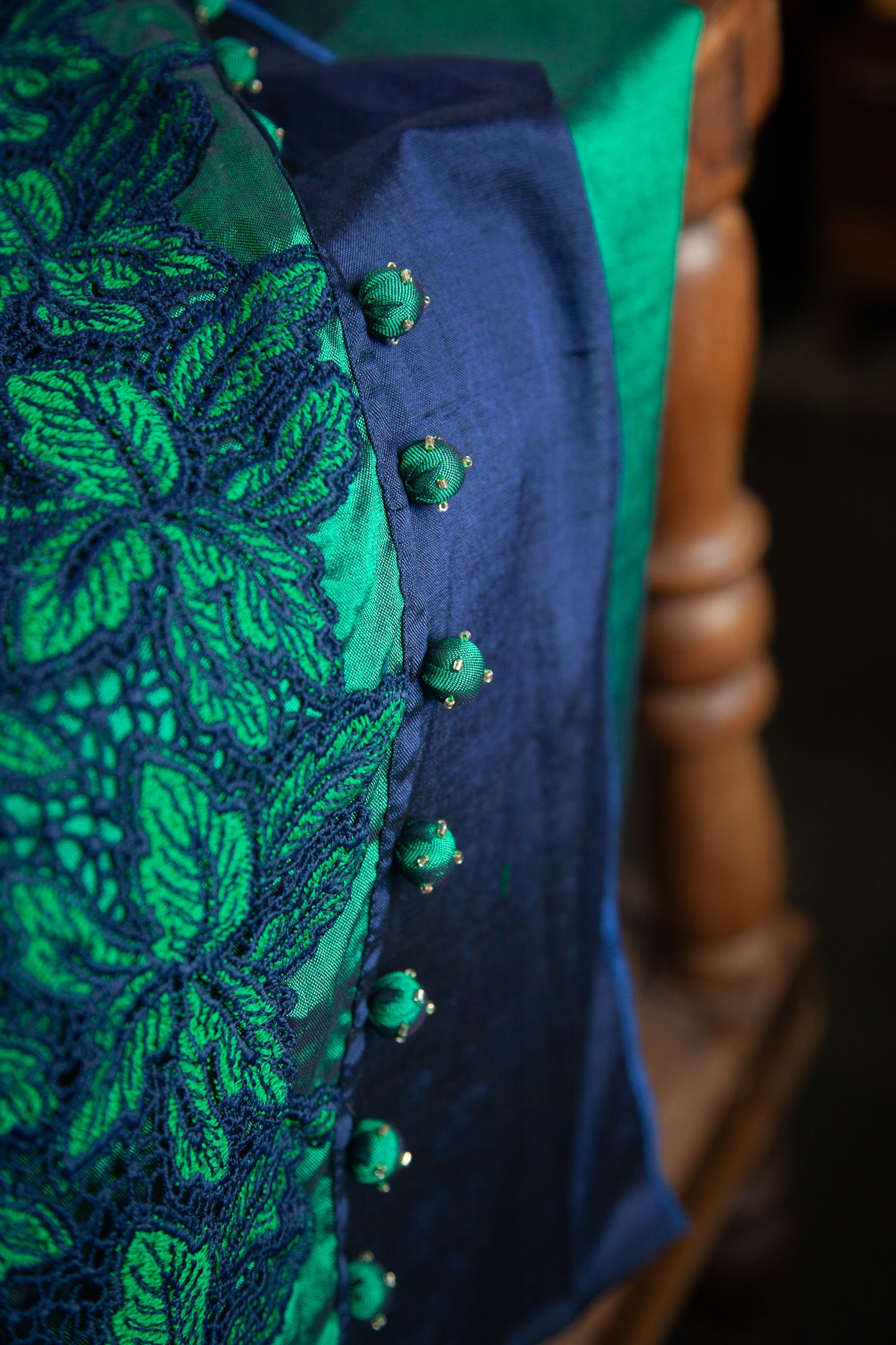
For travellers interested in Sri Lankan textiles and culture, this is where the sari becomes especially meaningful. It represents not just beauty, but sustainability and continuity. A sari can be heirloom and everyday garment at the same time, the fabrics in silk and cotton and a rich mix of vibrant colours, woven textures or printed patterns add a vast array of options.

Experiencing Sri Lanka Through Textiles and Culture
Sri Lanka’s creativity is a gift that keeps on giving. In Colombo and across the south coast, a growing contemporary scene is shaped by artists, designers and makers who are reinterpreting tradition in new ways. They have reclaimed sari draping and created a new living thread. For culturally curious visitors, meaningful discovery is to understand how it is worn, where it comes from and how it continues to evolve. This may be a through conversation with a designer, a visit to a gallery, or simply noticing how women move through daily life in these garments.
At places like Kalukanda House on the south coast, where slow travel is encouraged, these layers of Sri Lankan culture reveal themselves through immersive events with artists and artisans working to preserve heritage and bring it into our modern day conscious. Brands like Selyn Textiles dedicate themselves to preserving the craft of weaving, giving work to artisans in villages and keeping fast fashion at bay by intentionally thinking about sustainable and regenerative ways of working.
Elsewhere, un-wanted sari fabrics are finding new life in beautiful dresses, kimonos, shirts, bags and more, with brands such as Mint Ceylon reimagining them rather than throwing to waste.
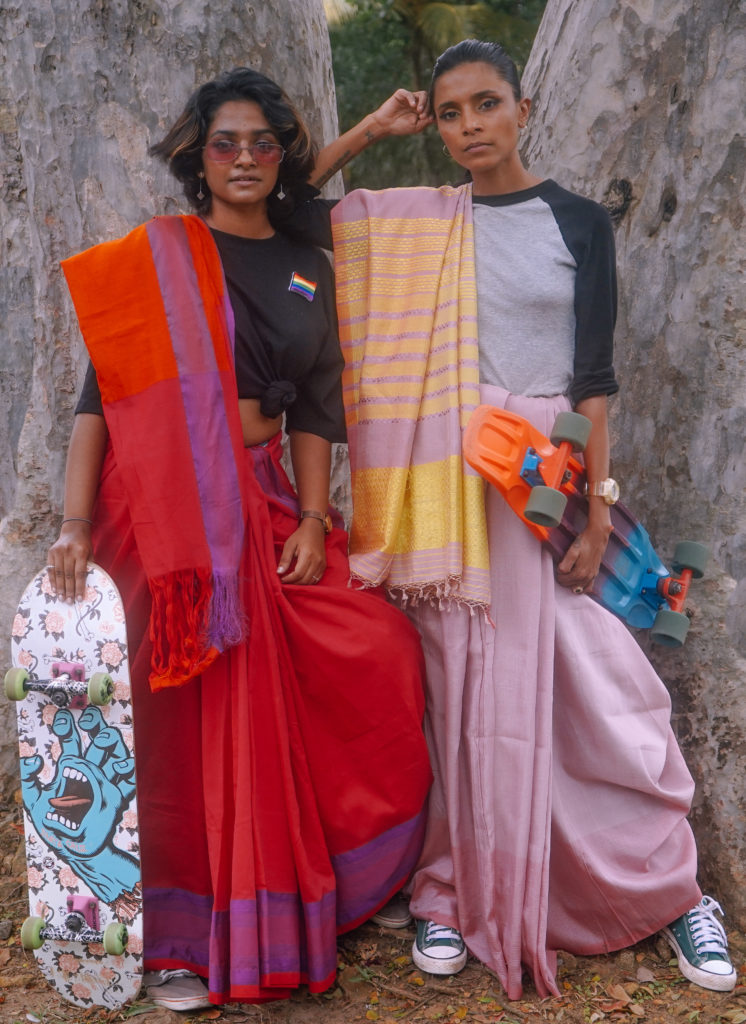
At a moment when the fashion world is busy rediscovering the virtues of longevity, versatility and craft, the sari re-appears in a startlingly contemporary way.
Here is a garment that is size-fluid, age-fluid and remarkably sustainable by design. At between 5 and 6 meters long, sari is adaptable and capable of being styled in myriad ways. For those interested in Sri Lankan textiles, this is where the sari becomes fascinating as part of the larger conversation around the modern world intersecting with heritage and traditional dress.
Sri Lanka’s textile history deserves a longer gaze and the sari belongs to a world of practical intelligence; clothing that knows where it comes from and the purpose it serves.
Sari and Slow Travel in Sri Lanka
The most meaningful travel experiences are often the slowest ones. Do you notice how people dress and ask how traditions evolve? Have you thought about how history lives on in everyday objects?
The sari carries stories of migration and return, colonial influence, climate, craft and identity. It sits between the old and the new and offers us fascinating ways of engaging with Sri Lankan culture, by seeing beyond a garment to the island itself.
Listen to Mehala Ford talk about Sari Draping on our podcast here: Spotify here / Apple here
Book a Sari Drape workshop with Mehala here
✨ Want to Stay in the Loop?
Sign up for our newsletter to stay informed about:
- More Sri Lankan Creative brands
- Creative events at Kalukanda House