Minnette de Silva
Sri Lanka’s Trailblazing Modernist Architect
In the vibrant tapestry of Sri Lanka’s modern history, a few figures that should have shone brightly were forgotten until now. Minnette de Silva, an icon of South Asian modernism and the first woman architect in Sri Lanka is finally receiving the recognition she deserves. She was the first Sri Lankan woman to be trained as an architect and the first Asian woman to be accepted as an associate of the Royal Institute of British Architects (1948).
Who Was Minnette de Silva?
More than an architect, Minnette de Silva was a visionary. Born in 1918 in Kandy, to a politically progressive family, she was deeply influenced by her father, George E. de Silva, a leading politician, and her mother, an advocate for women’s rights and suffrage in colonial Ceylon. This rich, intellectual upbringing shaped her lifelong passion for architecture and social justice.
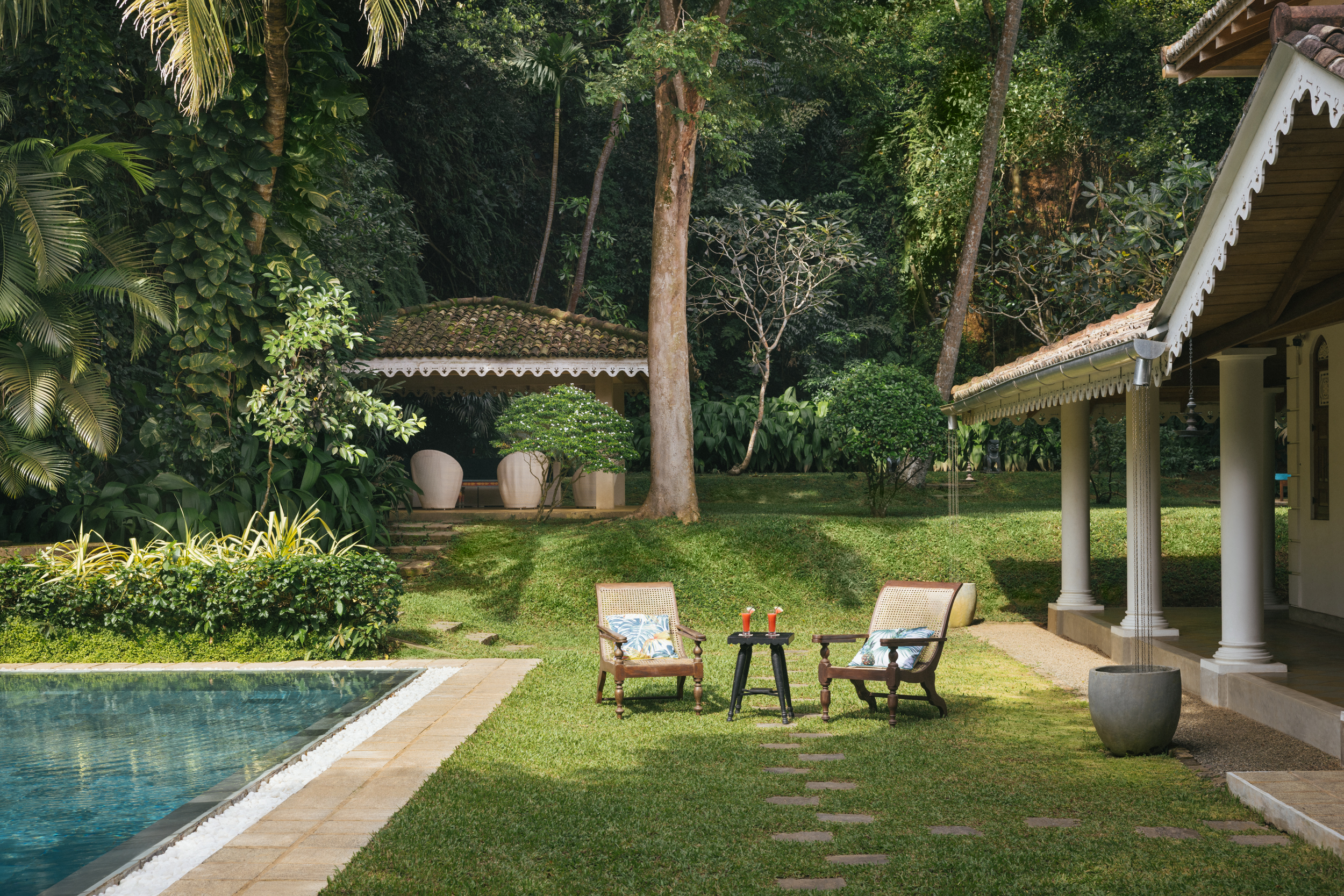
She celebrated and elevated local craftsmanship by integrating terracotta tiles, handloom fabrics, Kandyan decorative art, and indigenous materials into her buildings.
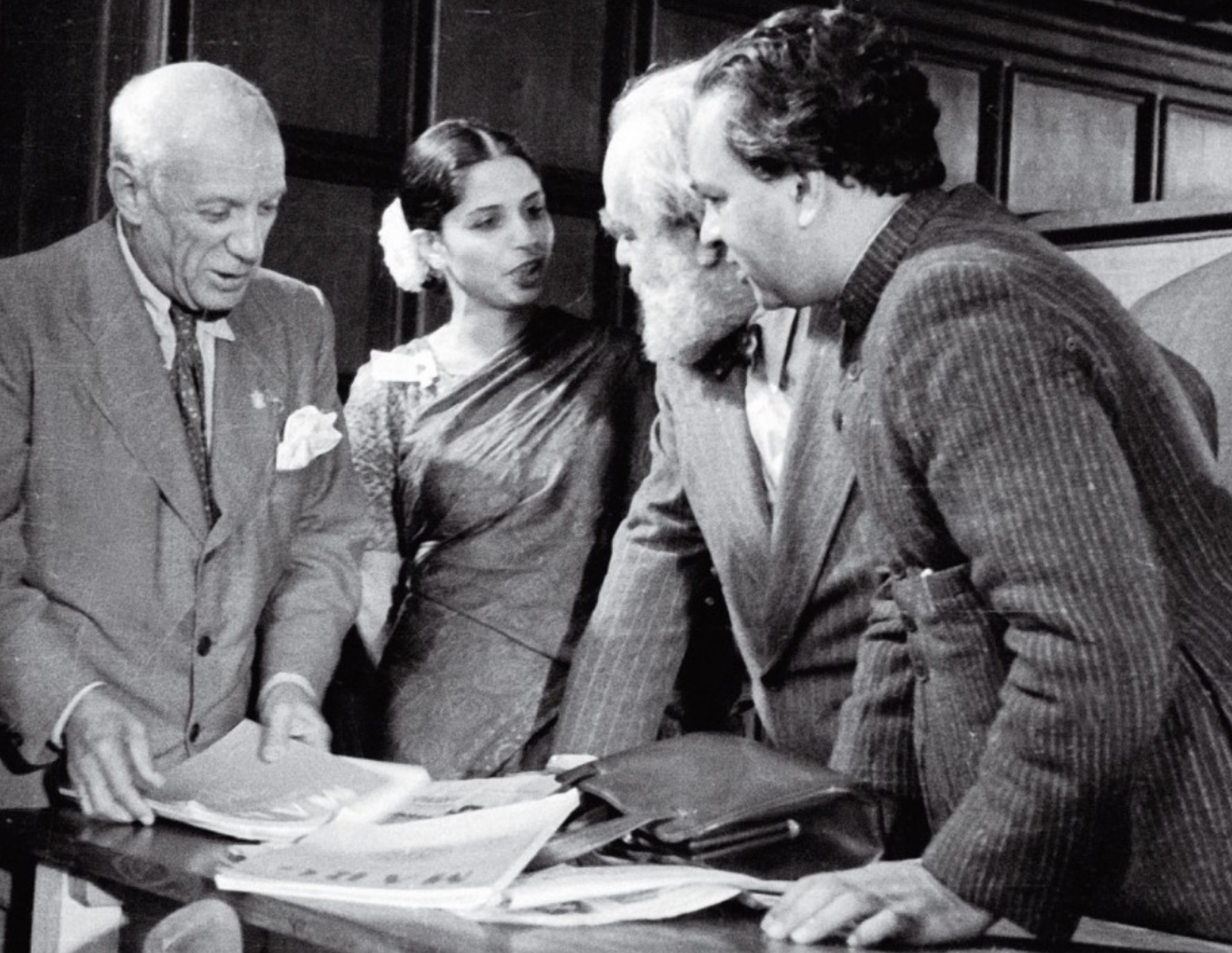
Her early training in Bombay and eventual studies at the Architectural Association in London marked her as one of the few non-Western women engaging directly with the architectural avant-garde of the mid-20th century. Her travels brought her into contact with legends like Le Corbusier, with whom she shared a long and complex personal relationship. Shiromi Pinto, is an author who penned the novel Plastic Emotions, and this connection is central in Pinto’s fictional retelling. Pinto is quick to assert that it is a semi-fictionalised account of Minnette’s life and her rumoured relationship with Le Corbusier, but she says that Minnette didn’t just build structure, she told her own stories through space.
Plastic Emotions: A literary Portrait of a forgotten icon
In Plastic Emotions, Shiromi Pinto gives voice to an overlooked but profoundly influential figure. The novel imagines Minnette’s emotional and professional life, bringing nuance to her groundbreaking work and inner turmoil. Pinto confronts themes of gender bias, post-colonial identity, and the emotional toll of being a pioneering woman in a male dominated field.
The book also references landmark designs such as the “88 Acres” housing project, which showcased Minnette’s belief in people-centered architecture, an approach decades ahead of its time.
Minnette had a dual identity as both a creative powerhouse and a woman wrestling with deeply personal challenges. Selva Sandrapragas is a UK based architect, who collaborated with Minnette in the later stages of her career and he recalls her brilliance, complexity, and the often overlooked contributions she made to modern architecture in South Asia.
It is hard to understand why Minnette de Silva who was so successful and prolific was overlooked from the global architectural narrative, while male counterparts like Swiss-French architect Le Corbusier and Sri Lankan Geoffrey Bawa have long been canonised.
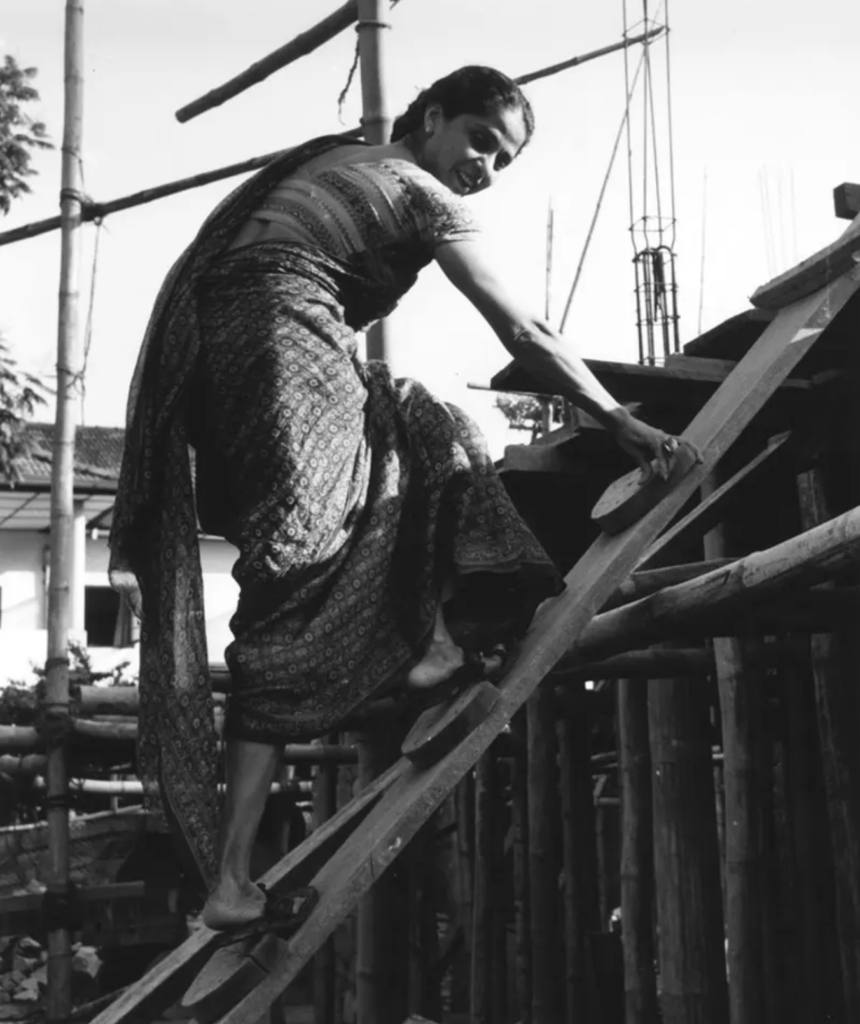

Creative Brilliance in a Challenging Time
So why has this Sri Lankan woman, who should be part of this epicentre of global architecture conversations, been erased from the mainstream narrative.
Minnette lived and worked during a time of great political and cultural transformation in Sri Lanka. Post-independence was a period of optimism but also uncertainty. It is believed that the creative tension between tradition and modernity, belonging and exile shaped her unique design language.
Minnette’s work drew heavily on local culture, using Sri Lankan motifs, materials, and labor long before it became trendy or marketable to do so. She prioritised site-specific design and believed buildings should emerge from their cultural and geographic landscape. The work she did in 1958 on the 88 Acres site in Watapuluwa in Kandy on over 230 dwellings was inclusive of the individual needs of every occupant was extraordinary.
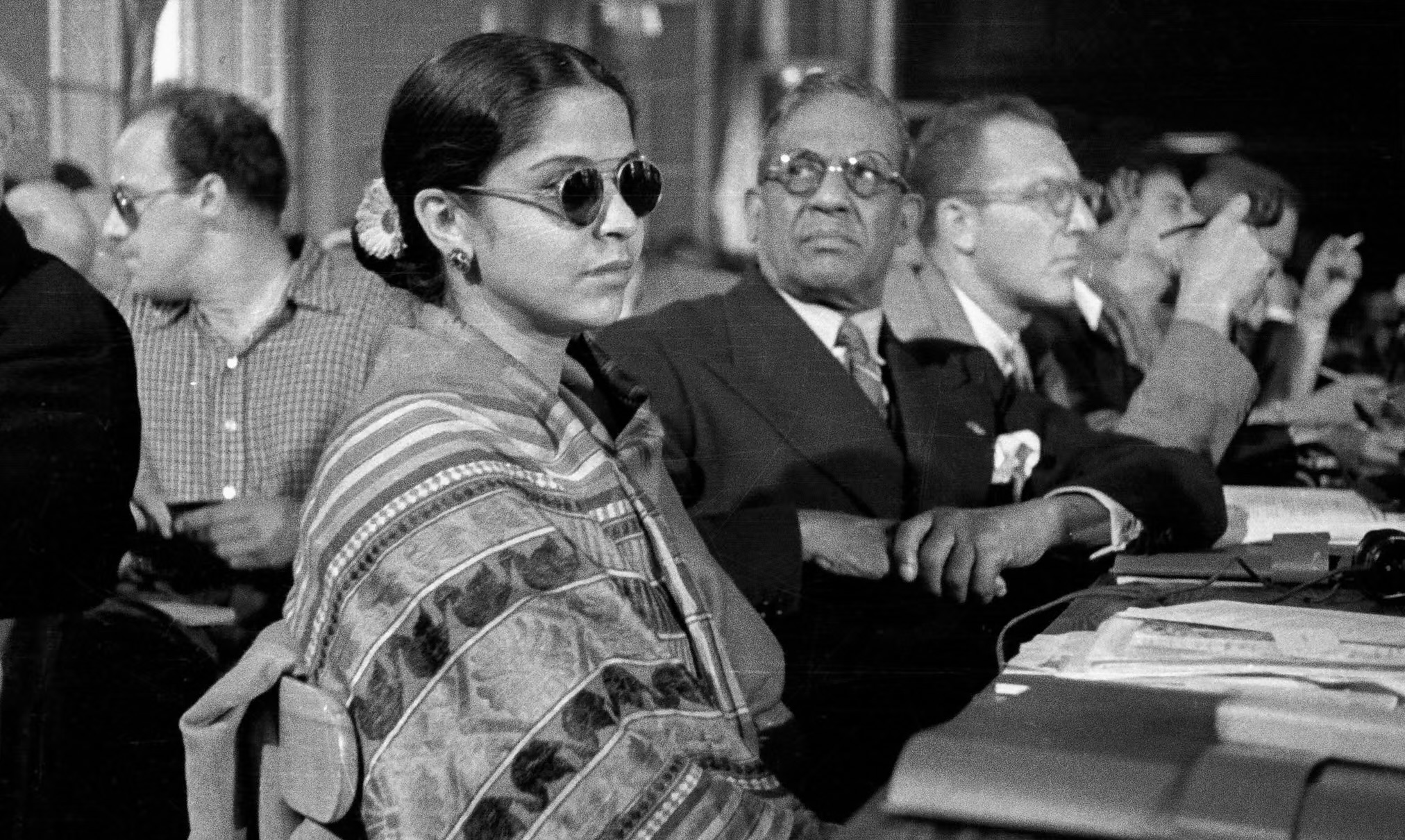
Somehow, her commitment to originality and integrity may have cost her mainstream success. As a woman ahead of her time her ideas were always questioned, and she was no doubt the victim of chauvinism. Often seen wearing a flower in her hair, and recalled as being a great beauty, she would lean into her femininity while being tenacious to push her designs ahead. She needed this tough approach but it earned her a reputation as being difficult and eventually her commissions fell away.
Reclaiming a place in the canon of Modernism
Why is Minnette de Silva important today? In the context of rising interest in decolonizing architecture, feminist architectural history, and South Asian modernism, her work is more relevant than ever. Buildings like the Kandy Art Centre and private residences in Sri Lanka reflect a unique synthesis of aesthetics; local craftsmanship with international modernist ideals.
Yet, despite being a founding member of CIAM (Congrès Internationaux d’Architecture Moderne), Minnette had remained under-represented in academic and professional conversations until recently. Pinto’s book was dedicated to correcting that oversight as a matter of justice to enrich the global narrative of 20th-century architecture.
Today, as scholars, writers and practitioners revisit Minnette’s contributions, there’s a palpable shift to highlight her work. Exhibitions at the V&A in London and the MMCA in Colombo are shining a light on her projects and research, and literary works like Plastic Emotions are sparking renewed interest in her architectural vision. This revival is crucial, not just for understanding the past but for inspiring future generations of architects, particularly women and those from the Global South.
Minnette de Silva’s legacy lives on
Since her death, sadly most of Minnette de Silva’s work has been left to go to ruin. Efforts are being made to save what is left and her story is not just one of architecture, but of resilience, innovation, and identity. Her life bridges colonial and post-colonial worlds, local traditions and global ideas, personal emotion and public legacy.
As we explore her legacy through literature, architecture, and conversations with the likes of Pinto and Sandrapragas, we move closer to giving Minnette the cultural and historical recognition she has long deserved.
Listen to podcast interview with Shiromi Pinto and Selva Sandrapragas here Spotify here / Apple here
Stay in the Loop
For more conversations on Sri Lanka’s cultural icons, creative movements, and unsung heroines, be sure to subscribe to our newsletter or listen to more episodes of the podcast.
👉 Subscribe to get updates on new stories, design insights, and cultural events.